Introduction
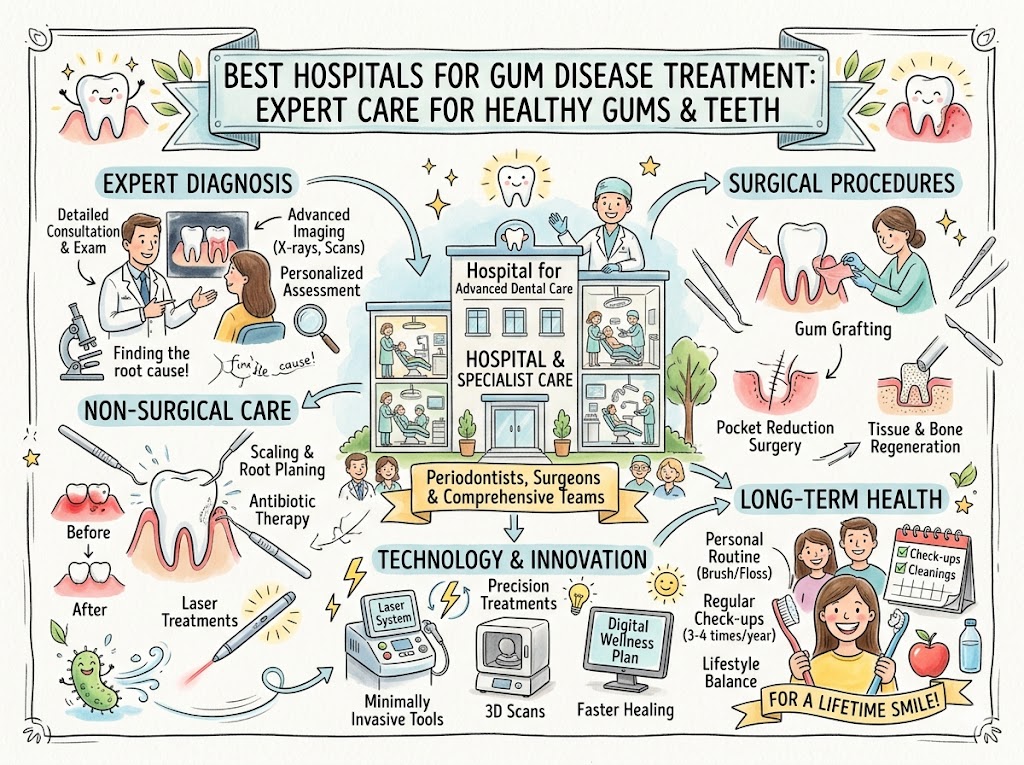
Gum disease, medically referred to as periodontal disease, is a pervasive health concern that affects millions of people globally. If left unaddressed, what begins as simple inflammation can progress to significant bone loss and the potential loss of natural teeth. Achieving long-term oral health requires more than just brushing; it necessitates access to high-quality professional care and specialized intervention.At BESTDENTALHOSPITALS, we empower patients to navigate the complex landscape of dental healthcare. Our platform allows you to compare elite dental facilities, connect with board-certified periodontal specialists, and evaluate treatment technologies to ensure you receive the highest standard of care. Whether you are navigating early gingivitis or requiring complex surgical intervention, finding the right facility is the foundational step toward a healthy, lasting smile.
What Is Gum Disease?
Gum disease is an infection and inflammation of the tissues that surround and support the teeth. It is primarily caused by the accumulation of dental plaque—a sticky, colorless film of bacteria—that hardens into tartar if not removed through daily oral hygiene.
Types of Gum Disease
Gingivitis
This is the earliest and mildest stage of gum disease. It is characterized by redness, swelling, and bleeding of the gums, often without significant discomfort. At this stage, the condition is reversible with professional cleaning and improved hygiene.
Periodontitis
When gingivitis is untreated, it advances to periodontitis. The inner layer of the gum and bone pulls away from the teeth, forming “pockets” that collect debris and become infected. Over time, the immune system fights the bacteria as the plaque spreads below the gum line, eventually destroying the bone and tissue that hold teeth in place.
Common Causes and Risk Factors
The primary culprit is plaque, but several factors exacerbate the condition:
- Poor Oral Hygiene: Inconsistent brushing and flossing.
- Smoking/Tobacco Use: One of the most significant risk factors, making it harder for gums to heal.
- Hormonal Changes: Occurring during puberty, pregnancy, or menopause.
- Diabetes: High blood sugar levels increase the risk of infection.
- Genetics: Some individuals are biologically predisposed to more aggressive forms of the disease.
Symptoms of Gum Disease
- Bleeding gums during or after brushing.
- Swollen or tender gums that appear bright red.
- Persistent bad breath (halitosis) that does not go away with mouthwash.
- Gum recession, making teeth appear longer than usual.
- Loose teeth or a change in the way your teeth fit together when you bite.
Why Early Treatment Matters
Early intervention prevents the progression from simple inflammation to irreversible bone and tissue destruction. Seeking care at the best hospitals for gum disease treatment ensures that you receive early diagnostics that can save your natural teeth and prevent systemic health complications.
Table 1: Stages of Gum Disease
| Stage | Symptoms | Recommended Treatment |
| Gingivitis | Red, swollen, bleeding gums | Professional cleaning, improved home care |
| Early Periodontitis | Receding gums, deeper pockets | Scaling and root planing |
| Moderate Periodontitis | Bone loss, tooth mobility | Surgical flap procedures, antibiotic therapy |
| Advanced Periodontitis | Significant bone loss, loose teeth | Regenerative surgery, bone grafts |
Best Hospitals for Gum Disease Treatment: Key Features
When evaluating where to seek treatment, look for:
- Board-Certified Periodontists: Specialists with advanced training in gum health.
- Advanced Imaging: Use of digital X-rays and 3D Cone Beam CT scans.
- Sterile Environment: Adherence to strict international safety protocols.
- Patient-Centric Reviews: Proven track records of successful outcomes.
- Multi-Specialty Coordination: Ability to manage complex cases involving multiple dental disciplines.
Diagnostic Procedures
A thorough assessment typically includes:
- Periodontal Probing: Measuring the depth of the pockets around teeth.
- Dental Radiographs: Identifying patterns of bone loss.
- Microbial Testing: Identifying specific bacterial strains involved in the infection.
Non-Surgical Treatment Options
Scaling and Root Planing
This “deep cleaning” process removes plaque and tartar from above and below the gum line and smooths the root surfaces to allow the gums to reattach to the teeth.
Antibiotic Therapy
The application of topical or oral antibiotics to control bacterial growth in periodontal pockets.
Table 2: Treatment Options for Gum Disease
| Treatment | Purpose | Benefits |
| Scaling & Root Planing | Remove bacterial buildup | Stops disease progression |
| Flap Surgery | Deep pocket reduction | Improves access for cleaning |
| Bone Grafting | Restore lost bone density | Increases tooth stability |
| Gum Grafting | Cover exposed roots | Reduces sensitivity, improves aesthetics |
Surgical Treatment Options
When non-surgical treatments are insufficient, surgical intervention may be required:
- Flap Surgery: Lifting the gums back to remove tartar from deep pockets.
- Bone Grafting: Using natural or synthetic bone to replace bone destroyed by disease.
- Regenerative Procedures: Stimulating the body to naturally regrow bone and tissue.
Advanced Technologies in Periodontal Care
Modern clinics now utilize Laser Dentistry (LANAP) for precision tissue removal, which minimizes bleeding and accelerates healing times compared to traditional scalpel-based surgery.
Table 3: Risk Factors for Gum Disease
| Risk Factor | Impact on Gum Health | Prevention Strategy |
| Smoking | Impairs blood flow to gums | Smoking cessation programs |
| Diabetes | Higher susceptibility to infection | Blood sugar management |
| Poor Hygiene | Bacterial accumulation | Strict brushing/flossing routine |
| Stress | Weakens the immune system | Stress management techniques |
Daily Oral Care Tips for Healthy Gums
- Brush twice daily using a soft-bristled toothbrush.
- Floss daily to reach areas between teeth.
- Use an antiseptic mouthwash to reduce bacteria.
- Schedule professional cleanings at least twice a year.
Table 4: Daily Gum Care Checklist
| Activity | Frequency | Benefits |
| Brushing | 2x Daily | Removes surface plaque |
| Flossing | 1x Daily | Cleans tight interdental spaces |
| Mouthwash | Daily | Reduces oral bacteria load |
| Hydration | Throughout Day | Encourages saliva production |
The Link Between Gum Disease and Overall Health
There is a bidirectional relationship between periodontal health and systemic conditions. Chronic inflammation in the mouth is linked to:
- Cardiovascular Disease: Bacteria entering the bloodstream can cause arterial inflammation.
- Pregnancy Complications: Association with preterm birth and low birth weight.
- Diabetes Control: Gum disease can make blood sugar harder to control.
Common Myths vs Facts About Gum Disease
- Myth: “Bleeding gums are normal.” Fact: Bleeding is almost always a sign of underlying inflammation or infection.
- Myth: “Gum disease only happens to older adults.” Fact: It can affect anyone, including teenagers, though prevalence increases with age.
Frequently Asked Questions
- Can gum disease be cured? It can be managed and halted, but damage to the bone is often irreversible.
- How often should I see a periodontist? Depending on your stage, every 3–6 months.
- Is gum treatment painful? Most procedures are performed under local anesthesia to ensure comfort.
- Does insurance cover periodontal treatment? Many plans do, but it varies by provider.
- Can I use an electric toothbrush? Yes, they are often more effective at removing plaque.
- Is bad breath always a sign of gum disease? Not always, but it is a common symptom.
- What is the best way to prevent gum disease? Consistent home care and regular professional checkups.
- Can gum disease cause heart problems? Research suggests a strong link between inflammation in both areas.
- How long does recovery take? Varies by procedure, typically a few days for minor treatments to weeks for surgery.
- Do I need a referral? Often yes, check with your dental hospital of choice.
- Can stress cause gum disease? Indirectly, by lowering immune function and affecting lifestyle.
- What are the first signs? Red, swollen gums that bleed when brushing.
- Is mouthwash enough? No, mechanical removal (flossing/brushing) is required.
- Does coffee affect my gums? It can contribute to staining and dry mouth, which impacts oral health.
- Are dental implants an option if I have gum disease? You must treat the active infection before implants are placed.
- How do I choose the best hospital? Look for board-certified specialists and patient success stories.
- Can diet impact gums? Yes, high-sugar diets feed bacteria.
- Are there natural remedies? Saltwater rinses can help soothe inflammation, but they do not cure the underlying infection.
- What is a periodontal pocket? A space between the tooth and gum that grows deeper with disease.
- Can I lose my teeth from gum disease? Yes, it is a leading cause of tooth loss in adults.
Conclusion
Addressing gum disease is not merely about preserving one’s smile; it is a critical component of maintaining systemic wellness and longevity. Throughout this guide, we have explored the stages of periodontal decline, the vital importance of early detection, and the diverse array of non-surgical and surgical interventions available today. Choosing the best hospitals for gum disease treatment is a decision that impacts your quality of life. By prioritizing facilities that employ evidence-based diagnostic procedures, advanced technologies such as laser therapy, and board-certified periodontists, you ensure that your oral healthcare is in the most capable hands.
Early diagnosis remains the most effective tool in your arsenal. Because gingivitis often presents with silent symptoms, regular professional dental cleanings and periodontal screenings are non-negotiable for those seeking long-term oral health recovery. The integration of meticulous daily hygiene—such as effective brushing and flossing—with professional maintenance creates a robust barrier against the recurrence of infection.