Introduction
Dental anxiety is a common experience that prevents many people from seeking the essential oral healthcare they need. The fear of discomfort or the stress of sitting in a dental chair can lead to neglected health, potentially causing more complex issues down the line. Fortunately, modern medicine has developed effective solutions to ensure your experience is as stress-free as possible.At BESTDENTALHOSPITALS, we are dedicated to helping patients access the resources they need to maintain a healthy smile without the barrier of dental fear. In this guide, we will explore the different types of sedation, the safety protocols in place, and how to choose the right environment for your dental treatment.
What Is Dental Sedation?
Dental sedation involves the use of medication to help patients relax during dental procedures. It is important to distinguish sedation from local anesthesia; while anesthesia works specifically to numb the area being treated, sedation is designed to address the patient’s overall level of comfort, relaxation, and awareness.
The primary goal of sedation is to create a calm, anxiety-free experience. Depending on the level of sedation chosen, you may remain fully awake and able to communicate, or you may enter a state of deep relaxation where you are largely unaware of the procedure.
Types of Dental Sedation
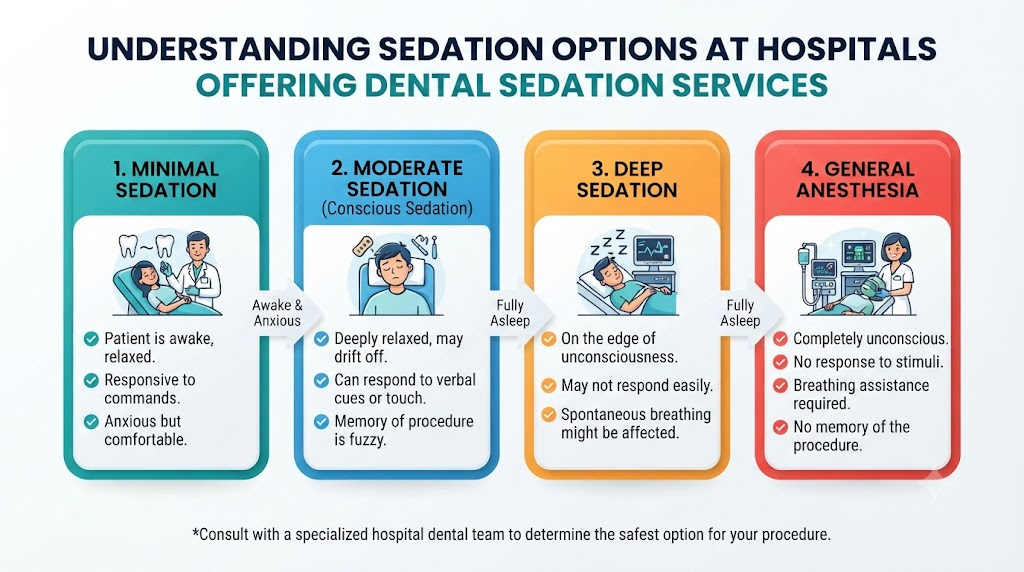
Not all sedation methods are the same. Hospitals offer a spectrum of options tailored to the patient’s health, the complexity of the procedure, and their personal comfort levels.
- Nitrous Oxide (Laughing Gas): A mild form of sedation inhaled through a small mask. It helps you feel relaxed and wears off quickly.
- Oral Conscious Sedation: Medication taken in pill form before the appointment, creating a deeper sense of relaxation while keeping you responsive.
- IV Sedation: Administered directly into the bloodstream, this allows for precise control of sedation levels and is ideal for longer procedures.
- Deep Sedation: A state where the patient is nearly or fully unconscious and may have little to no memory of the procedure.
- General Anesthesia: Used in hospital settings for complex surgeries, rendering the patient completely unconscious.
Dental Sedation Methods Comparison
| Sedation Method | Level of Consciousness | Common Uses |
| Nitrous Oxide | Mild relaxation | Routine procedures |
| Oral Sedation | Moderate relaxation | Anxiety management |
| IV Sedation | Deeper relaxation | Long/complex procedures |
| Deep Sedation | Minimal awareness | Advanced treatments |
| General Anesthesia | Fully unconscious | Complex surgical cases |
Who May Benefit from Dental Sedation?
Sedation dentistry is not just for patients with extreme phobias; it is a clinical tool used to enhance comfort for many:
- Individuals with significant dental anxiety or phobia.
- Patients with a sensitive gag reflex.
- People who require multiple or lengthy procedures in a single visit.
- Individuals with special healthcare needs.
- Children who may have difficulty staying still for necessary treatment.
Dental Procedures That May Use Sedation
Sedation can be utilized for a variety of dental tasks, ensuring that the patient remains comfortable throughout:
- Wisdom tooth extraction and other oral surgeries.
- Dental implant placement.
- Extensive restorative work (e.g., multiple crowns or bridges).
- Periodontal (gum) surgery.
- Root canal treatment.
Safety Measures Followed by Hospitals
When you choose a hospital setting for sedation, you benefit from rigorous medical safety standards:
- Pre-Sedation Assessment: A thorough review of your medical history and vital signs.
- Continuous Monitoring: Use of equipment to track heart rate, blood pressure, and oxygen levels.
- Professional Teams: Treatment overseen by dental specialists and anesthesia support teams.
- Emergency Preparedness: Fully equipped units capable of handling any unexpected medical response.
- Recovery Protocols: Dedicated observation areas where you are monitored until you are stable and ready to go home.
Choosing the Right Hospital
Selecting the right facility is about finding a balance between dental expertise and medical safety. Look for these key attributes:
- Experienced Teams: Dentists who are trained in sedation alongside anesthesiology support.
- Accredited Facilities: Hospitals that adhere to high national or regional health standards.
- Patient Education: A staff that takes the time to explain the process and secure informed consent.
- Follow-up Care: A clear plan for what happens after the procedure is finished.
Hospital Selection Checklist
- Qualified Team: Specialists experienced in sedation techniques.
- Advanced Monitoring: Modern equipment for vital sign tracking.
- Emergency Readiness: Robust support services for patient safety.
- Comprehensive Services: Ability to coordinate sedation with complex dental needs.
- Post-Recovery Plan: Structured guidelines for discharge and home care.
Preparing for Dental Sedation
Preparation is key to a smooth experience. You should:
- Provide a complete list of all medications and supplements you currently take.
- Discuss your medical history, including any previous reactions to anesthesia.
- Arrange for a responsible adult to drive you home, as sedation affects your ability to operate machinery.
- Follow any fasting instructions provided by the clinic if required.
Recovery After Dental Sedation
Once the procedure is over, it is normal to feel drowsy. You will be monitored in a recovery area until your sedation begins to fade. Upon returning home, you should:
- Rest and avoid strenuous activity for the remainder of the day.
- Follow the dentist’s instructions regarding food and fluids.
- Take any prescribed medications as directed.
- Contact the hospital immediately if you experience any concerning symptoms.
Common Myths vs Facts
| Myth | Fact |
| Sedation is only for major surgery. | It is used for many procedure types to increase comfort. |
| Sedation replaces local anesthesia. | They are often used together to ensure the site is numb and the patient is calm. |
| Everyone is eligible for all sedation. | Eligibility is based on a clinical evaluation of your specific health. |
| All dental sedation is the same. | Different types of sedation offer varying levels of relaxation. |
Common Mistakes Patients Make
- Hiding Medical Details: Always disclose your full medical history and current medications.
- Driving Home: Never attempt to drive after undergoing sedation.
- Ignoring Prep Instructions: Fasting or medication rules exist to keep you safe.
- Avoiding Needed Care: Don’t let dental fear stop you from addressing oral health issues.
Solution: Speak openly with your dentist. They have seen it all and are there to help, not judge.
Real-Life Educational Scenarios
- Anxiety Management: An anxious patient who has avoided the dentist for years completes a necessary root canal with oral conscious sedation, successfully breaking the cycle of dental avoidance.
- Complex Implants: A patient undergoing multiple dental implants chooses IV sedation, allowing them to remain comfortable and still during a lengthy, highly precise surgical procedure.
- Safe Extraction: A patient requiring wisdom tooth removal in a hospital setting uses deep sedation to ensure they are completely unaware of the surgery.
FAQs
- What is dental sedation?
Medications used to help you relax during dental treatments. - Is it safe?
Yes, especially in professional environments like hospitals with trained monitoring teams. - Who benefits?
People with anxiety, sensitive reflexes, or those needing complex surgery. - Types available?
Nitrous oxide, oral, IV, deep sedation, and general anesthesia. - Will I be asleep?
Depending on the method, you may be awake, drowsy, or fully asleep. - How do I prepare?
Disclose all health info and arrange a ride home. - Can I drive after?
No, you must have a ride home due to lingering effects. - Recovery time?
Varies, but usually involves the remainder of the day for resting. - Suitable for kids?
Yes, when recommended by a pediatric dental specialist. - Does it remove pain?
Sedation calms the mind; local anesthesia removes the physical pain. - Side effects?
May include temporary drowsiness, nausea, or dizziness. - How is the method determined?
By your dentist after reviewing your health, age, and procedure. - Conditions affecting eligibility?
Certain heart, lung, or metabolic conditions are considered. - How to choose a hospital?
Look for accreditation, experience, and safety monitoring. - When to discuss?
During your initial consultation before any treatment begins.
Final Thoughts
Dental sedation is a transformative tool that ensures oral healthcare is accessible and comfortable for everyone, regardless of anxiety levels. By choosing a facility with experienced teams and rigorous safety protocols, you can feel confident in your decision to improve your dental health.For more information and to find resources on oral healthcare and sedation options, explore BESTDENTALHOSPITALS. Remember, your comfort is a priority—always consult with a qualified dental professional to discuss the best sedation approach for your unique needs.