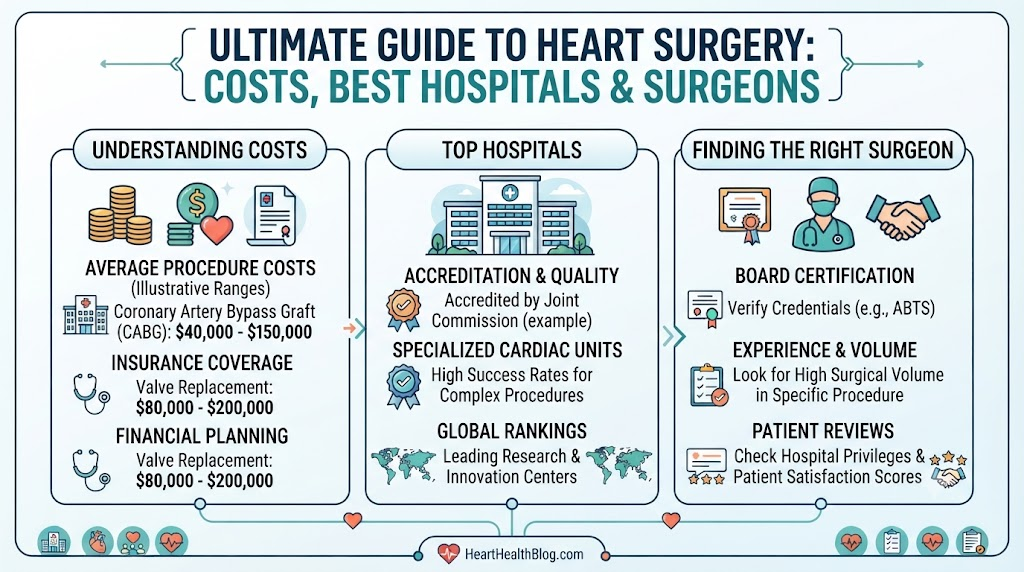
Choosing to undergo a cardiac procedure is one of the most significant health decisions a person can make. When facing complex cardiovascular conditions, finding the right medical care becomes an urgent priority. The success of any cardiac intervention relies heavily on selecting specialized institutions and highly skilled medical professionals who possess a proven track record of clinical excellence.Navigating the global healthcare landscape to find the best heart surgery care can feel overwhelming for patients and their families. This comprehensive guide simplifies that journey by providing transparent, evidence-based insights into the global cardiac care landscape.
Understanding Heart Surgery
What Is Heart Surgery?
Heart surgery encompasses a range of surgical interventions performed by specialized cardiovascular surgeons to treat complications of the heart and its blood vessels. These procedures can correct structural abnormalities, clear arterial blockages, repair faulty valves, and restore normal cardiac function, significantly improving a patient’s long-term quality of life.
When Is Heart Surgery Needed?
Surgical intervention becomes necessary when non-invasive treatments, lifestyle modifications, and medications can no longer safely manage a cardiac condition. Doctors recommend surgery when a patient faces a progressive risk of heart failure, severe chest pain, life-threatening arrhythmias, or sudden cardiac arrest.
Common Cardiac Conditions Requiring Surgery
- Coronary Artery Disease (CAD): The accumulation of cholesterol plaques within the coronary arteries restricts blood supply to the heart muscle, often requiring surgical revascularization.
- Heart Valve Disease: Conditions such as aortic stenosis or mitral valve regurgitation impair the heart’s ability to pump blood efficiently, necessitating repair or replacement.
- Congenital Heart Defects: Structural abnormalities present from birth, such as septal defects or arterial transposition, require surgical correction to ensure proper development.
- Heart Failure: Advanced stages of heart failure, where the heart muscle cannot pump enough blood to meet the body’s needs, may require ventricular assist devices or transplantation.
- Arrhythmias: Irregular heartbeats that fail to respond to medications or catheter ablation may require surgical maze procedures or device transportations.
Best Heart Surgery Hospitals: What Makes Them Stand Out?
Selecting a high-quality medical center involves evaluating key pillars of clinical excellence. The best heart surgery hospitals maintain rigorous standards across their clinical operations to ensure superior patient outcomes.
Advanced Cardiac Infrastructure
Top-tier cardiac institutions feature specialized cardiothoracic intensive care units (CTICUs), advanced hybrid operating rooms, and state-of-the-art diagnostic imaging suites. These facilities allow teams to transition seamlessly from diagnostic catheterization to open surgery if required during a procedure.
Experienced Surgical Teams
Excellence in cardiac care requires a multidisciplinary approach. Leading institutions employ collaborative teams consisting of board-certified cardiothoracic surgeons, interventional cardiologists, cardiac anesthesiologists, perfusionists, and specialized critical care nurses.
Success Rates and Outcomes
Reputable hospitals maintain transparent records of their surgical success rates, 30-day survival metrics, and low post-operative complication rates. High-volume centers generally exhibit superior outcomes due to their refined clinical protocols and extensive experience.
International Accreditations
Accreditation from recognized bodies like the Joint Commission International (JCI) or the National Accreditation Board for Hospitals & Healthcare Providers (NABH) guarantees that a facility adheres to strict international patient safety and clinical quality benchmarks.
Intensive Care and Recovery Support
The immediate post-operative phase determines long-term surgical success. Top facilities offer comprehensive, round-the-clock monitoring by dedicated cardiac intensivists, alongside early-stage inpatient physical therapy to support safe recovery.
When researching specialized care, patients should seek out the best hospitals for bypass surgery and the best hospitals for minimally invasive heart surgery to ensure their specific medical needs align with the institution’s primary strengths. For younger patients, selecting the best hospitals for pediatric cardiac surgery guarantees access to specialized neonatal and pediatric intensive care infrastructure.
Best Heart Surgeons in the World and India
Characteristics of Leading Cardiac Surgeons
The finest cardiac surgeons combine exceptional manual dexterity with deep clinical knowledge and dedicated research contributions. They maintain active memberships in prestigious global organizations like the Society of Thoracic Surgeons (STS) or the European Association for Cardio-Thoracic Surgery (EACTS).
Importance of Experience and Specialization
Surgical outcomes correlate directly with a surgeon’s case volume. A specialist who performs hundreds of specific procedures annually—such as complex valve repairs or neonatal corrections—develops the refined decision-making skills needed to manage unexpected surgical variations safely.
Choosing the Right Heart Surgeon
When looking for the best heart surgeons in the world or the best heart surgeons in India, patients should focus on objective metrics rather than subjective rankings. Key questions to ask include:
- How many procedures of this specific type have you performed?
- What are your documented success and complication rates?
- Which international fellowships or specialized training programs have you completed?
Patients can utilize verified surgeon profiles to evaluate clinical backgrounds and credentials objectively.
Types of Heart Surgeries
Coronary Artery Bypass Surgery (CABG)
Commonly referred to as heart bypass surgery, CABG treats severe coronary artery disease. A surgeon takes a healthy blood vessel from the patient’s leg, arm, or chest and grafts it past the blocked coronary artery. This path redirects oxygen-rich blood around the obstruction to nourish the heart muscle.
Heart Valve Repair and Replacement
When cardiac valves fail to open fully (stenosis) or close properly (regurgitation), surgeons must intervene. Valve repair preserves the patient’s native tissue, while valve replacement swaps the damaged structure with either a mechanical or a biological tissue valve.
Minimally Invasive Heart Surgery
Unlike traditional open-heart surgery, which requires splitting the breastbone (sternotomy), minimally invasive techniques utilize small incisions between the ribs. This approach reduces post-operative pain, shortens hospital stays, and accelerates the overall recovery timeline.
Pediatric Cardiac Surgery
Children with congenital heart conditions require specialized surgical interventions. Pediatric cardiac surgery addresses structural issues like hole-in-the-heart defects, corrected transpositions, and valve anomalies in infants, toddlers, and adolescents.
Congenital Heart Defect Surgery
Adults living with unrepaired or complex congenital heart defects require specialized care. These surgeries focus on reshaping or replacing abnormal cardiac connections to optimize long-term circulatory efficiency.
Heart Transplant Procedures
For patients facing end-stage heart failure that no longer responds to medical therapies, a heart transplant replaces the failing organ with a healthy donor heart, offering a renewed lease on life.
Heart Surgery in India: Why Patients Choose India
India has established itself as a premier destination for advanced cardiovascular treatments, drawing thousands of international patients each year.
World-Class Cardiac Hospitals
Indian metropolitan areas feature numerous JCI and NABH-accredited medical centers that match the clinical benchmarks of top Western hospitals. These institutions follow international safety protocols and use standardized, evidence-based care paths.
Highly Skilled Surgeons
Many leading Indian cardiac specialists have completed advanced fellowships, taught, or practiced in premier medical institutions across the United States, the United Kingdom, and Europe. They bring extensive experience from high-volume environments back to their practices in India.
Affordable Treatment Decisions
The primary driver for medical travel to the region is financial accessibility without a drop in clinical quality. Patients frequently discover that major cardiovascular procedures cost a fraction of what they would pay in Western nations.
Modern Medical Technology
From robotic-assisted surgical systems to advanced transcatheter valve therapies, Indian cardiac centers utilize cutting-edge medical hardware and state-of-the-art diagnostic imaging tools.
International Patient Support Services
Dedicated international patient divisions across major Indian hospitals manage the entire medical journey. They provide personalized assistance with visa processing, airport transfers, language interpretation, and local accommodation for accompanying family members.
For comprehensive resources on traveling for medical care, patients can consult specialized heart surgery guides to plan their medical travel efficiently.
Heart Surgery Cost in India
Understanding the financial aspects of care is essential for effective treatment planning. The overall heart surgery cost in India is influenced by several clinical and administrative factors.
Factors Affecting Cost
- Hospital Category: Premium private medical centers carry higher operational charges compared to charitable or government-supported institutions.
- Surgeon Experience: Senior consultants with international reputations and extensive operational histories may command higher professional fees.
- City and Location: Seeking treatment in major metropolitan areas like Mumbai, Delhi, or Chennai may incur slightly higher living and administrative costs than in tier-2 cities.
- Procedure Complexity: Revision surgeries, multi-valve operations, or surgeries complicated by pre-existing conditions naturally require more resources.
- ICU and Recovery Costs: Extended stays in the intensive care unit due to slow recovery or unexpected complications will increase the final hospital bill.
Bypass Surgery Cost in India
The cost of a Coronary Artery Bypass Graft (CABG) varies depending on the surgical approach chosen (e.g., off-pump vs. on-pump bypass) and the patient’s general health status.
Typical Cost Components
- Hospital Stay: Includes standard room charges, nursing fees, and basic dietary services.
- Diagnostics: Encompasses pre-operative angiograms, echocardiograms, blood work, and post-operative imaging.
- Surgical Fees: Includes professional compensation for the primary surgeon, assistant surgeons, and the anesthesia team.
- Medication and Follow-Up: Covers intraoperative pharmaceuticals, post-discharge prescriptions, and initial outpatient consultations.
| Component / Treatment Parameter | Estimated Cost Range (USD) | Estimated Cost Range (INR) |
| Standard CABG (Open-Heart) | $4,500 – $6,500 | ₹3,75,000 – ₹5,40,000 |
| Minimally Invasive CABG | $6,000 – $8,500 | ₹5,00,000 – ₹7,10,000 |
| Complex/Revision CABG | $8,000 – $11,000 | ₹6,65,000 – ₹9,15,000 |
To review a more detailed breakdown of these structural expenses, patients can explore specialized cost guides tailored to their specific regional requirements.
Heart Valve Replacement Surgery Cost in India
The heart valve replacement surgery cost in India depends heavily on the type of prosthetic valve selected for the procedure.
Mechanical vs. Biological Valves
Mechanical valves are highly durable and typically last a lifetime, but they require the patient to take lifelong blood-thinning medications. Biological tissue valves (derived from bovine or porcine tissues) do not require long-term anticoagulant therapy, but they generally need replacement after 10 to 15 years due to natural wear.
Surgical Complexity
Double-valve replacements (addressing both the aortic and mitral valves simultaneously) increase operating room time, anesthesia requirements, and post-operative monitoring needs, which increases overall costs.
Recovery Costs
Prosthetic valve surgeries require meticulous post-operative anticoagulation monitoring and specialized laboratory testing to ensure optimal healing, which impacts total recovery expenses.
Long-Term Considerations
Patients must factor in the ongoing costs of regular blood tests (such as PT/INR monitoring for mechanical valves), routine follow-up echocardiograms, and cardiovascular medications into their long-term financial planning.
How to Choose the Right Heart Hospital
Making an informed decision about your treatment facility requires analyzing objective performance indicators.
Hospital Accreditation
Always confirm that the institution maintains active national or international accreditations. These honors guarantee regular, independent audits of the facility’s sanitation, patient safety protocols, and clinical delivery infrastructure.
Cardiac Surgery Volume
Look for centers that perform high volumes of your required surgery. High-volume hospitals benefit from economies of scale and highly practiced routine workflows, which directly correlates with reduced complication rates.
ICU Facilities
Ensure the hospital has a dedicated cardiothoracic ICU staffed by full-time, board-certified intensive care specialists rather than general medical practitioners.
Emergency Care Capability
Cardiovascular conditions can shift rapidly. Choose an institution equipped with a 24/7 advanced cardiac emergency bay and dedicated catheterization laboratories to manage sudden issues smoothly.
Patient Reviews and Outcomes
Examine verified patient testimonials, case success rates, and independent healthcare quality reviews. Look for consistent feedback regarding nursing responsiveness, cleanliness, and clear communication from doctors.
International Patient Services
If traveling from abroad, verify that the hospital provides an end-to-end international coordination desk to assist with language barriers, currency conversion, and local accommodation logistics. Detailed profiles can be reviewed via dedicated hospital profiles online.
Step-by-Step Patient Journey
[Initial Diagnosis] ➔ [Specialist Consultation] ➔ [Treatment Planning]
         │
         ▼
[Cost Estimation] ➔ [Hospital Selection] ➔ [Surgery Preparation]
         │
         ▼
[Procedure Day]   ➔ [Recovery Phase]    ➔ [Long-Term Follow-Up]
- Initial Diagnosis: A local cardiologist identifies structural or ischemic issues through non-invasive tests like ECGs, echocardiograms, or CT angiograms.
- Specialist Consultation: The patient meets with a cardiothoracic surgeon to discuss the clinical findings and evaluate various surgical approaches.
- Treatment Planning: The medical team designs a personalized surgical strategy, selecting the ideal approach—such as open-heart, minimally invasive, or transcatheter techniques.
- Cost Estimation: The hospital’s administrative department provides a detailed, itemized cost estimate covering the procedure, expected ICU days, and routine implant costs.
- Hospital Selection: The patient evaluates the hospital’s infrastructure, surgical expertise, and financial options before finalizing their admission date.
- Surgery Preparation: The patient undergoes comprehensive pre-operative clearances, including blood cross-matching, pulmonary function tests, dental evaluations, and nutritional counseling.
- Procedure Day: The patient is admitted, prepared for the operating room, placed under anesthesia, and the surgical team performs the planned procedure.
- Recovery Phase: The patient spends the initial post-operative days in the CTICU before transitioning to a standard step-down ward for early physical rehabilitation.
- Long-Term Follow-Up: After discharge, the patient follows a structured timeline of medical checkups, lifestyle changes, and guided cardiac rehabilitation sessions.
Risks, Recovery, and Expectations
Surgical Risks
Every major surgical procedure carries inherent risks. For cardiac operations, potential complications include post-operative bleeding, localized infections, temporary heart rhythm irregularities (such as atrial fibrillation), stroke, or adverse reactions to general anesthesia. Your surgical team will evaluate these risks against the health dangers of leaving your heart condition untreated.
Recovery Timeline
Hospital stays after traditional open-heart surgery generally last between 5 and 7 days. Full recovery of the breastbone and surrounding chest muscles typically takes 6 to 12 weeks. In contrast, patients who undergo minimally invasive procedures are often discharged within 3 to 4 days and can return to light everyday activities within 2 to 3 weeks.
Lifestyle Modifications
Surgery fixes the immediate structural or physical issues in the heart, but long-term health depends on lifestyle changes. Patients need to adopt a heart-healthy diet low in saturated fats and refined sugars, quit smoking entirely, manage stress, and maintain healthy blood pressure and cholesterol levels.
Cardiac Rehabilitation
Participating in a structured, medically supervised cardiac rehabilitation program is highly recommended. These programs combine personalized exercise plans, emotional support, and lifestyle education to help patients rebuild their physical strength safely and reduce the risk of future cardiac events.
Long-Term Monitoring
Patients will need lifetime follow-up visits with their cardiologist. These routine appointments ensure the long-term success of the surgery, allow doctors to adjust medications as needed, and help catch any new cardiovascular issues early.
Expert Tips for Better Cardiac Treatment Decisions
- Seek a Comprehensive Second Opinion: Do not hesitate to have another qualified specialist review your diagnostic films. A second opinion can confirm your diagnosis and open up alternative, less invasive treatment paths.
- Evaluate Specific Surgeon Volume: Always ask how many times a surgeon has performed your exact procedure. High volume is a reliable indicator of predictable, successful outcomes.
- Understand Your Valve Options Clearly: If you need a valve replacement, discuss the practical differences between mechanical and biological tissue options with your doctor so you can choose the one that best fits your lifestyle.
- Request an Itemized Financial Estimate: Ask for a comprehensive cost breakdown that details the expenses for implants, potential extra ICU days, and post-operative medications to avoid unexpected costs at discharge.
- Check the Availability of On-Site Rehabilitation: Choose a hospital that features a dedicated, fully staffed cardiac rehabilitation department to support your recovery right from the start.
How BestHeartSurgery.com Helps Patients
Navigating cardiovascular care can be complex, but BestHeartSurgery.com simplifies the process by giving patients the tools and resources they need to make confident choices.
Hospital Research
The platform provides a comprehensive database of verified medical institutions worldwide. This allows users to easily compare hospital accreditations, clinical infrastructure, and specialized departments.
Surgeon Information
Patients can access transparent, detailed profiles of leading global cardiothoracic specialists, making it simple to review their board certifications, surgical experience, and areas of expertise.
Procedure Education
The site breaks down complex medical procedures into clear, easy-to-understand guides. This helps patients learn exactly what to expect before, during, and after their treatment.
Cost Awareness
By providing clear cost benchmarks and regional price breakdowns, the platform helps families plan for treatment costs effectively and avoid unexpected financial surprises.
Treatment Planning Support
The platform connects patients with experienced medical coordinators who can assist with scheduling consultations, gathering cost estimates, and organizing travel logistics.
Cardiac Care Resources
From pre-operative checklists to guided recovery plans, the platform offers a wealth of practical educational materials designed to support patients and their caregivers at every stage of their healing journey.
Frequently Asked Questions (FAQ)
Which are the best heart surgery hospitals?
The premier institutions globally are those holding prestigious international accreditations such as JCI or NABH. These elite centers feature dedicated cardiothoracic intensive care units, high-volume surgical programs, and comprehensive multidisciplinary teams that maintain documented success rates meeting global clinical benchmarks.
How do I choose the best heart surgeon?
Prioritize verified specialists who demonstrate extensive experience treating your specific condition. Look for board-certified cardiothoracic surgeons who have completed advanced international fellowships and maintain high annual case volumes for your required procedure.
What is the average heart surgery cost in India?
The overall cost varies depending on the specific procedure required, but standard open-heart interventions typically range from $4,500 to $11,000 USD. This pricing structure represents substantial savings compared to Western healthcare facilities while maintaining identical medical standards.
What is the typical bypass surgery cost in India?
A standard Coronary Artery Bypass Graft (CABG) generally costs between $4,500 and $6,500 USD in accredited private hospitals. Minimally invasive bypass alternatives may incur slightly higher initial fees due to the specialized surgical equipment required.
What is the heart valve replacement surgery cost in India?
The total expense usually ranges between $5,500 and $9,500 USD. The final cost depends on whether a mechanical or biological tissue valve is selected, as well as the need for single or double valve interventions.
Is undergoing heart surgery in India safe for international patients?
Yes. Clinical outcomes at top-tier JCI and NABH-accredited Indian medical centers match international safety and efficacy standards. These facilities utilize cutting-edge technology and employ highly trained specialists to ensure exceptional patient safety.
How long does the typical recovery process take?
Traditional open-heart procedures require a hospital stay of 5 to 7 days, followed by a home recovery period of 6 to 12 weeks for the breastbone to heal completely. Minimally invasive surgeries often reduce this timeline by half.
What exactly is minimally invasive heart surgery?
This technique accesses the heart through small incisions between the ribs rather than splitting the breastbone. This approach significantly reduces physical trauma, post-operative pain, risk of infection, and overall recovery times.
Which hospitals are best for pediatric cardiac surgery?
The most reliable centers are those featuring dedicated pediatric cardiothoracic surgical teams, specialized neonatal intensive care units (NICUs), and specialized pediatric cardiac anesthesiologists equipped to manage congenital structural issues.
How can patients compare international hospitals effectively?
Patients should evaluate hospitals using verified criteria: international accreditations (like JCI), documented success rates for their specific procedure, surgeon team qualifications, and the responsiveness of the hospital’s international patient support desk.
Conclusion
Making well-informed decisions about cardiac care requires balancing clinical details, provider expertise, and financial considerations. When facing complex conditions, selecting an elite facility with top-tier infrastructure and a highly experienced surgical team is essential for ensuring a safe recovery and excellent long-term outcomes.India has become a leading global hub for advanced cardiovascular treatments, offering access to top-tier medical institutions and world-renowned specialists at a fraction of the cost found in Western countries. By focusing on objective quality measures—such as international accreditations, specific surgical case volumes, and transparent cost estimates—patients can navigate their healthcare journey with confidence.