Introduction
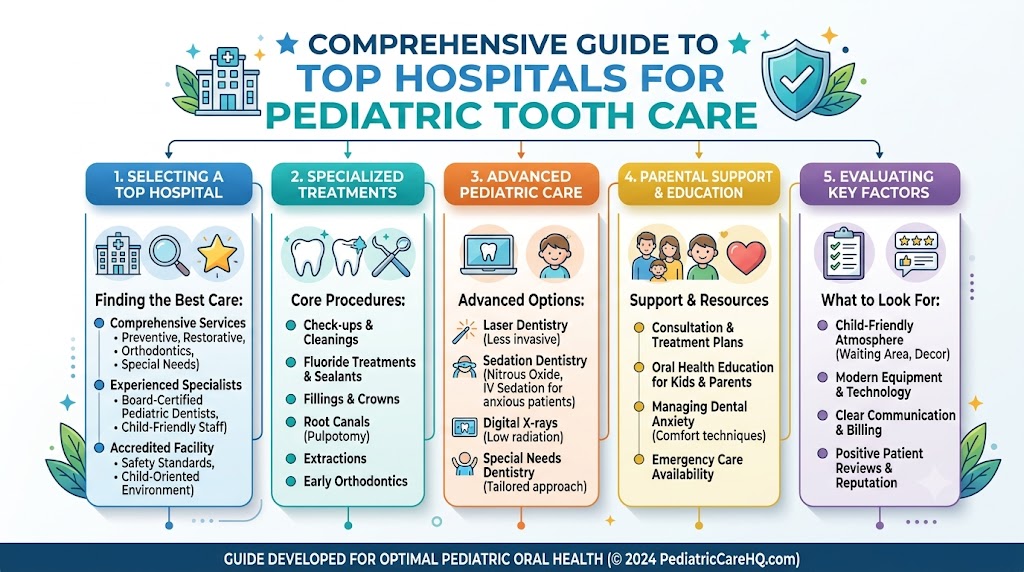
Establishing strong oral health habits during childhood is one of the most important steps a parent can take to ensure a lifetime of healthy smiles. A child’s dental health is not just about keeping teeth clean; it is foundational to their speech development, ability to chew nutritious food, and overall self-confidence. Because children have unique developmental needs, their dental care requires a specialized approach that goes beyond standard dentistry.BestDentalHospitals is a dedicated resource designed to help you compare high-quality institutions and understand the best practices in pediatric dentistry. In this guide, we will explore the importance of specialized care, common dental treatments for children, and how to create a positive dental experience that will last for years to come.
Understanding Pediatric Dental Care
Pediatric dentistry is the branch of medicine dedicated to the oral health of children, from infancy through the teenage years. A pediatric dentist, or pedodontist, undergoes additional training beyond dental school to master the techniques required for managing the specific developmental stages of children’s teeth, gums, and jaws.
Unlike general dentists, pedodontists are specifically trained in behavior management. They create child-friendly environments that turn what can be an intimidating experience into a welcoming one. By focusing on both preventive care and restorative treatment, they help ensure that a child’s transition through each phase of dental growth—from baby teeth to permanent dentition—is healthy and pain-free.
PEDIATRIC DENTISTRY OVERVIEW TABLE
| Aspect | Description |
| Specialty | Pedodontics (Child Oral Health) |
| Age Group | Infants, children, and adolescents |
| Focus Area | Growth, development, and preventive hygiene |
| Common Treatments | Cleanings, fluoride, sealants, and fillings |
| Preventive Care | Education on brushing, flossing, and nutrition |
Why Pediatric Dental Care Matters
Early Tooth Development Care
Monitoring the growth of primary (baby) teeth is essential. Even though they eventually fall out, they act as placeholders for permanent teeth and are crucial for proper jaw development.
Prevention of Cavities
Children are prone to tooth decay due to diet and developing brushing skills. Early intervention prevents these minor issues from becoming painful, complex conditions.
Gum Health in Children
Preventive care ensures gums remain healthy, avoiding common early-onset issues like gingivitis caused by plaque buildup.
Speech and Chewing Development
Teeth are vital for articulating sounds and grinding food effectively. Proper dental care supports healthy nutrition and clear communication.
Long-Term Oral Health Habits
Early visits demystify the dentist’s office, helping children develop a positive attitude toward oral hygiene that stays with them into adulthood.
When Should a Child Visit a Dentist?
The general recommendation is to schedule a first dental visit by the time the first tooth erupts or, at the latest, by the child’s first birthday.
These initial visits are primarily for the parent and child to get accustomed to the environment. The dentist can monitor the eruption of teeth, offer advice on teething and bottle use, and detect any early indicators of developmental issues. Regular check-ups thereafter—typically every six months—are critical to maintain cleanliness and prevent decay.
Common Dental Problems in Children
Tooth Decay
Also known as cavities, this is one of the most common chronic childhood conditions, often resulting from excessive sugar intake and poor cleaning.
Gum Infections
Infrequent flossing or improper brushing can lead to red, swollen, or bleeding gums.
Tooth Sensitivity
Often caused by thin enamel or decay, sensitivity can make it difficult for children to eat cold or hot foods.
Misaligned Teeth
Early loss of baby teeth or genetics can lead to crowded or crooked teeth, which may require later orthodontic intervention.
Thumb Sucking Effects
Prolonged thumb sucking or pacifier use can push teeth out of alignment or alter the shape of the palate.
Early Tooth Loss
If a baby tooth is lost too soon due to trauma or decay, it can affect the spacing and alignment of permanent teeth.
COMMON CHILD DENTAL ISSUES TABLE
| Condition | Description | Common Symptoms |
| Tooth Decay | Bacterial destruction of enamel | Pain, visible spots, sensitivity |
| Gum Infection | Inflammation of gum tissue | Swollen, red, or bleeding gums |
| Misalignment | Incorrect tooth positioning | Crooked appearance, bite issues |
| Sensitivity | Pain when eating hot/cold foods | Wincing or refusing certain foods |
| Early Tooth Loss | Loss of tooth before natural time | Gaps in smile, bite changes |
Types of Pediatric Dental Treatments
Dental Cleaning for Kids
A professional cleaning removes plaque and tartar that regular brushing might miss, especially in hard-to-reach areas.
Fluoride Treatments
A quick, painless application of concentrated fluoride helps strengthen tooth enamel and makes teeth more resistant to cavities.
Dental Sealants
These thin, protective coatings are applied to the chewing surfaces of the back teeth to prevent bacteria and food from getting trapped in the grooves.
Fillings and Crowns
If a cavity is present, fillings or pediatric crowns are used to restore the tooth’s structure, function, and health.
Space Maintainers
These are used when a baby tooth is lost too early to keep the surrounding space open, allowing the permanent tooth to erupt in the correct position.
Emergency Dental Care
Includes treatment for accidents, sudden pain, or trauma to the teeth, requiring immediate professional intervention.
PEDIATRIC TREATMENTS TABLE
| Treatment | Purpose | Benefit |
| Fluoride Treatment | Strengthens enamel | High resistance to decay |
| Dental Sealants | Seals off grooves | Stops food/bacteria buildup |
| Fillings | Restores damaged enamel | Stops cavity progression |
| Crowns | Protects large structural damage | Restores full chewing ability |
| Cleaning | Removes hidden plaque | Prevents gum disease |
| Space Maintainers | Maintains arch room | Guides correct tooth alignment |
Top Hospitals for Pediatric Tooth Care
Starlight Pediatric Dental Institute
- Hospital Overview: A facility fully dedicated to child wellness with a vibrant, theme-based office environment.
- Pediatric Dentistry Department: Staffed by board-certified pedodontists and child psychologists.
- Child-Friendly Facilities: Game rooms, televisions at every station, and a treasure chest for patients.
- Treatments Offered: Comprehensive care including sedation dentistry for complex procedures.
- Diagnostic Services: Low-radiation digital imaging technology.
- Preventive Care Programs: A “Junior Dentist” education club for children.
- Emergency Pediatric Care: On-call dental surgeons available 24/7.
- Why Parents Choose This Hospital: The clinic’s ability to turn high-anxiety children into happy patients.
- Key Strengths: Advanced behavior management techniques.
Metro Children’s Oral Health Center
- Hospital Overview: A major medical center with a specialized dental division for children with complex health needs.
- Pediatric Dentistry Department: Highly integrated with pediatric medicine departments.
- Child-Friendly Facilities: Specialized sensory-friendly rooms for children with disabilities.
- Treatments Offered: Full scope from general dentistry to oral surgery.
- Diagnostic Services: Comprehensive panoramic and 3D dental scanning.
- Preventive Care Programs: Outreach programs for schools and community centers.
- Emergency Pediatric Care: Integrated with the hospital’s pediatric emergency unit.
- Why Parents Choose This Hospital: The safety and resources available for children with underlying medical conditions.
- Key Strengths: Capability to handle complex cases and high-needs patients.
HOSPITAL COMPARISON TABLE
| Hospital Name | Location | Pediatric Dentistry | Child-Friendly Setup | Preventive Care | Emergency Care |
| Starlight Institute | Metro Center | Expert | Theme-based | High | 24/7 |
| Metro Children’s | University District | Specialized | Sensory-friendly | Comprehensive | Hospital-linked |
Importance of Preventive Dental Care in Children
Preventive care is the bedrock of pediatric dentistry. By focusing on stopping problems before they start, we minimize the need for invasive treatments. This involves regular examinations, fluoride applications, and teaching children to take ownership of their own brushing habits.
Diet control is equally vital. Limiting the frequency of sugary snacks and juices significantly reduces the acid attacks that lead to tooth decay. A healthy lifestyle paired with professional cleanings forms a powerful defense against dental disease.
Tips for Parents to Maintain Child Oral Health
- Proper Brushing: Brush for two minutes, twice a day, using a pea-sized amount of fluoride toothpaste for children over three.
- Supervision: Continue supervising your child’s brushing until they are at least seven or eight years old to ensure they cover all areas.
- Limit Sugary Foods: Sticky, sugary snacks are the primary culprits for cavities; offer water and healthy fruits instead.
- Regular Visits: Consistent dental check-ups are essential to catch issues early.
- Hygiene Habits: Encourage your child to rinse their mouth with water after meals.
Common Mistakes Parents Make
- Delaying First Visit: Many parents wait until the child is school-aged, missing the chance to prevent early decay.
- Ignoring Early Cavities: Assuming baby teeth don’t matter because they fall out is a dangerous myth.
- Overusing Sugary Snacks: Offering sweet treats as rewards can negatively impact oral health.
- Skipping Checkups: Missing appointments makes it difficult to track developmental progress.
- Not Supervising: Allowing a young child to brush alone often results in ineffective cleaning.
Child-Friendly Dental Environment Importance
A clinical environment can be frightening for a child. Pediatric-focused hospitals design their space to:
- Reduce Fear: Through playful decor and child-sized equipment.
- Manage Behavior: Using “tell-show-do” methods to explain procedures clearly.
- Ease Anxiety: Offering sedation options or distraction techniques for children who are particularly nervous.
Real-Life Patient Scenarios
- Early Success: A three-year-old with early-stage decay receives a painless fluoride treatment, preventing the need for a filling.
- Fear-Free Experience: A nervous child, previously scared of doctors, visits a theme-based pediatric dental clinic and leaves with a smile, now looking forward to their next visit.
- Orthodontic Intervention: Through early detection of crowding, a space maintainer prevents the need for future complex dental surgery.
Future of Pediatric Dentistry
Technology is moving towards making dentistry faster, more accurate, and less stressful.
- AI Diagnostics: Predicting potential cavity sites before they become visible to the eye.
- Digital Scans: Replacing messy traditional molds with fast, digital 3D images.
- Laser Dentistry: Using lasers to remove decay without the noise or vibration of a drill.
- Painless Treatments: Advances in numbing agents and techniques.
- Smart Monitoring: Parents using apps to track and encourage brushing habits.
FUTURE OF PEDIATRIC DENTISTRY TABLE
| Innovation | Benefit |
| AI Diagnosis | Earlier, proactive intervention |
| Digital Scanning | Comfortable, fast patient experience |
| Laser Dentistry | Quiet and drill-free treatment |
| Painless Treatments | Reduces fear and anxiety |
| Smart Monitoring | Improves home hygiene compliance |
FAQs
- What is pediatric dentistry?
A specialty focusing on children’s dental health and development. - When should a child visit a dentist?
By age one or within six months of the first tooth. - Are dental X-rays safe?
Yes, modern low-dose digital X-rays are very safe for children. - How often should kids visit?
Usually every six months, or as recommended by your dentist. - What causes cavities?
Sugar, bacteria, and insufficient cleaning. - Is fluoride safe?
Yes, in appropriate concentrations, it protects teeth effectively. - What is a dental sealant?
A protective barrier against food trapped in grooves. - How to prevent decay?
Brush, floss, limit sugar, and use fluoride. - Do kids need early braces?
Sometimes; early check-ups identify alignment issues. - What if my child is afraid?
Pediatric dentists are experts in calming nervous children. - Can I stay with my child?
Most pediatric hospitals encourage parents to be present. - Are baby teeth important?
Extremely, as they save space for permanent teeth. - Is tooth sensitivity normal?
No, consult your dentist if your child complains of pain. - What is “Baby Bottle Tooth Decay”?
Cavities caused by putting a child to bed with a sugary drink. - How long should they brush?
Two minutes, twice a day.
Final Thoughts
The foundation for your child’s dental health starts with early, positive interactions with the dentist. By choosing a hospital that understands the unique needs of growing children, you are investing in their future well-being and confidence. Remember that preventive care is the most effective tool in your arsenal to stop decay before it starts. Consistent habits at home and regular check-ups with a trusted pedodontist are the keys to a lifelong healthy smile. For more resources, hospital comparisons, and expert dental health guidance, explore BestDentalHospitals today.