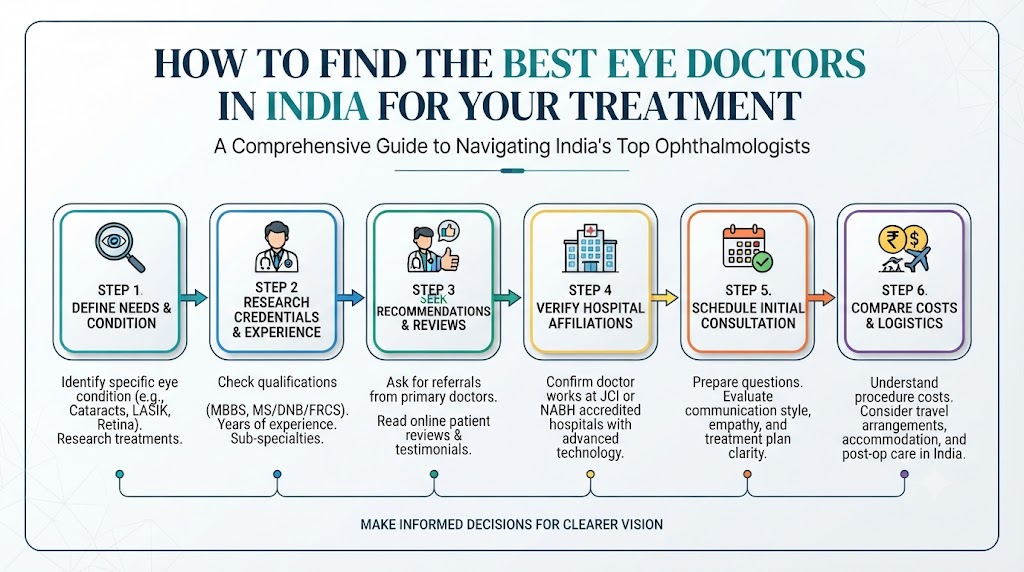
Making decisions about your vision care can feel overwhelming. When you or a loved one faces an eye disease, finding the right medical center is crucial. Navigating international healthcare options, comparing diagnostic capabilities, and understanding treatment plans require clear, objective guidance.This comprehensive guide helps patients and caregivers evaluate the best eye hospitals globally. By focusing on healthcare quality, clinical technology, and surgeon expertise, you can make informed decisions. Let’s look at how to choose the right platform for your vision correction journey.
Why Choosing the Right Eye Hospital Matters
Eye care requires extreme precision. The best eye hospitals in the world set themselves apart through rigorous patient safety protocols, low infection rates, and advanced diagnostic imaging. Selecting a top-tier center minimizes surgical risks and ensures an accurate initial diagnosis.
High-quality clinical settings offer access to multidisciplinary teams. If you suffer from diabetes-related vision issues, a center with both a retina specialist and a cornea specialist ensures comprehensive management. Choosing an accredited clinic safeguards your long-term vision health.
Key Factors to Compare Eye Hospitals
When evaluating clinical options, look past simple marketing claims. Focus on measurable indicators of healthcare quality and operational safety.
Hospital Accreditation and Certifications
Accreditations from bodies like the Joint Commission International (JCI) or national boards like NABH ensure a facility meets global safety standards. These certifications evaluate everything from surgical sterility to patient data privacy.
Advanced Diagnostic Tools
Modern vision care relies heavily on precise imaging. The best eye surgery hospitals utilize high-resolution Optical Coherence Tomography (OCT) and advanced corneal topography to map the eye before any incision is made.
Common Eye Conditions and Advanced Treatments
Understanding available treatment choices helps you communicate effectively with your ophthalmologist during an initial consultation or when seeking a second medical opinion.
Refractive Errors and Laser Eye Surgery
Conditions like myopia (nearsightedness) and astigmatism are commonly corrected using laser procedures. Modern refractive surgery uses cold lasers to reshape the cornea, reshaping how light enters the eye.
Age-Related Eye Diseases
Glaucoma treatment and advanced macular degeneration management require continuous monitoring. Leading centers use targeted therapies, including micro-invasive glaucoma surgery (MIGS), to protect the optic nerve without extensive recovery periods.
Understanding Types of Eye Surgeries
Surgical interventions vary widely based on the structural needs of the eye. Patients looking at vision correction options typically compare different modalities to find the right fit for their lifestyle.
Refractive Surgery Options: LASIK vs. PRK
Refractive procedures aim to eliminate dependency on glasses. While LASIK involves creating a thin corneal flap, PRK removes the outer surface layer entirely, which is ideal for patients with thinner corneas.
Advanced Lens Procedures
For older adults, replacing a cloudy natural lens is the primary method to restore visual clarity. Laser-assisted techniques provide unmatched precision during these delicate intraocular procedures.
Comparison Table 1: LASIK vs. PRK
| Features | LASIK | PRK |
| Advantages | Rapid recovery, minimal initial discomfort | No risk of flap complications, ideal for thin corneas |
| Limitations | Requires specific corneal thickness | Longer healing window, initial light sensitivity |
| Suitable Patients | Individuals with standard corneal profiles | Active athletes, individuals with thin corneas |
| Cost Considerations | Moderate to high baseline pricing | Often slightly lower surgical cost than custom LASIK |
Cataract Surgery Overview
Cataract removal is one of the most frequently performed, successful procedures globally. The surgery replaces the eye’s natural, clouded lens with an artificial intraocular lens (IOL).
Traditional vs. Laser-Assisted Methods
Traditional methods rely on manual incisions using handheld blades. In contrast, laser-assisted cataract surgery uses a femtosecond laser to create flawless incisions and break up the cataract, reducing stress on surrounding ocular tissues.
Comparison Table 2: Traditional vs. Laser-Assisted Cataract Surgery
| Features | Traditional Cataract Surgery | Laser-Assisted Cataract Surgery |
| Advantages | Cost-effective, decades of clinical data | Exceptional structural precision, faster initial healing |
| Limitations | Manual incisions depend entirely on surgeon hand-skills | Higher out-of-pocket costs |
| Suitable Patients | Standard cataracts with minimal astigmatism | Patients selecting premium multifocal lenses |
| Cost Considerations | Generally covered fully by base health insurance | Requires additional copayments for laser usage |
LASIK Surgery Overview
LASIK remains the benchmark for rapid vision correction. The procedure fixes how light focuses on the retina, giving many patients functional independence from corrective eyewear.
Evaluating the Best Hospitals for LASIK Surgery
Top-tier laser centers invest heavily in wave-front guided technology. This system creates a personalized 3D map of your eye’s unique imperfections, allowing the laser to correct subtle visual aberrations that standard prescriptions miss.
Eye Treatment Cost Considerations
Medical expenses vary dramatically depending on the geographic region, facility type, and technology utilized. Understanding these variations helps patients establish realistic budgets.
Direct and Indirect Medical Costs
When calculating expenses, remember to include pre-operative screenings, diagnostic imaging, post-op medications, and follow-up examinations. Some clinics offer comprehensive packages, while others bill components separately.
Comparison Table 3: Government vs. Private Eye Hospitals
| Features | Government Eye Hospitals | Private Eye Hospitals |
| Advantages | Highly affordable, highly experienced senior staff | Minimal wait times, personalized amenities, cutting-edge tech |
| Limitations | Long waiting lists, crowded facilities | Significantly higher baseline operational costs |
| Suitable Patients | Budget-conscious individuals seeking standard care | Patients seeking customized laser options and fast scheduling |
| Cost Considerations | Heavily subsidized or free | Out-of-pocket or premium private insurance |
Medical Tourism and Eye Care in India
India has emerged as a premier hub for global eye care, combining world-class clinical expertise with accessible pricing structures.
Why Global Patients Choose Indian Facilities
International travelers frequently visit the best eye hospitals in India due to the availability of Western-trained, highly experienced eye surgeons. The supporting healthcare infrastructure handles complex cases efficiently, providing comprehensive care frameworks.
Cost Efficiencies in Regional Markets
The cataract surgery cost in India and the LASIK surgery cost in India are substantially lower than in Western nations. This cost variance allows international patients to access premium premium lenses and advanced laser platforms at a fraction of standard global costs.
Expert Tips for Selecting an Eye Hospital
- Verify Surgeon Volume: Ask how many times an eye surgeon has performed your specific procedure. High-volume specialists exhibit lower complication rates.
- Check Technology Generations: Ensure the center uses current-generation laser platforms rather than outdated machinery.
- Evaluate Emergency Protocols: Confirm the facility has a 24/7 ophthalmic emergency room in case post-surgical complications arise over a weekend.
- Read Unbiased Patient Logs: Look for independent reviews focusing on long-term visual outcomes rather than just front-desk hospitality.
Actionable Best Practices for Patients
Pre-Operative Preparation
Always disclose your full medical history, including autoimmune conditions and current medications, during your initial exam. Stop wearing contact lenses precisely when directed by your clinic to ensure stable corneal shapes for baseline measurements.
Post-Operative Safety
Never rub your eyes following laser eye surgery. Use prescribed antibiotic and anti-inflammatory drops exactly on schedule, and wear protective eye shields while sleeping to prevent accidental rubbing.
Common Mistakes to Avoid
- Chasing the Lowest Price: Selecting a clinic solely based on a low budget often means compromising on diagnostic safety checks or surgeon experience.
- Ignoring Sub-Specialization: Do not allow a general ophthalmologist to perform complex retinal surgeries; look for a dedicated retina specialist.
- Misunderstanding Package Coverage: Failing to check if post-operative checkups are included can lead to unexpected out-of-pocket medical bills later.
Frequently Asked Questions
1. What defines the best eye hospitals in the world?
The best eye hospitals in the world feature international accreditations, sub-specialized medical teams, low infection rates, and access to current-generation diagnostic and surgical laser technologies.
2. How can I locate the best eye hospitals in India?
Look for facilities with national NABH or international JCI accreditations, highly rated patient testimonials, and clinical teams led by experienced, internationally trained eye surgeons.
3. What are the top factors when choosing the best ophthalmology hospitals?
Prioritize advanced diagnostic imaging infrastructure, clean room surgical tracks, high-volume performance metrics, and transparent medical packaging documentation.
4. What is the average cataract surgery cost in India?
Costs vary based on lens choice, ranging from modest amounts for standard monofocal options in regional clinics to higher prices for premium multifocal lenses in major metropolitan private centers.
5. What determines the baseline LASIK surgery cost in India?
Pricing depends on the laser platform used, with standard custom LASIK being highly accessible, while advanced bladeless, topography-guided options represent the premium end of the spectrum.
6. Which are the best hospitals for cataract surgery options?
The ideal hospitals possess specialized femtosecond laser platforms, a clean track record in patient safety, and access to a wide selection of premium FDA-approved intraocular lenses.
7. How do I identify the best hospitals for LASIK surgery?
Select centers featuring dedicated refractive suites, robust pre-operative corneal mapping capabilities, and surgeons specializing exclusively in laser vision correction.
8. What qualifications should I look for in the best eye doctors in India?
Seek specialists holding postgraduate degrees (MD/MS/DNB) in ophthalmology, specialized fellowships in fields like cornea or retina, and active memberships in international ophthalmic societies.
9. What is the difference between an ophthalmologist and an optometrist?
An ophthalmologist is a medical doctor licensed to perform complex eye surgeries and treat advanced diseases, while an optometrist focuses on vision tests and corrective lenses.
10. Is laser eye surgery painful for typical patients?
Most patients feel minimal discomfort because numbing eye drops are administered before the procedure. A mild pressure sensation may be felt briefly during the laser application.
11. How long does recovery take after standard cataract removal?
Many individuals notice visual improvements within a few days, though complete structural stabilization and final healing of the ocular tissue take roughly four to six weeks.
12. Can international patients receive seamless care for medical tourism?
Yes, leading global eye clinics provide specialized international patient services that manage visa documentation, local accommodation scheduling, language translation, and remote post-op care.
13. What should I ask during a second medical opinion?
Inquire about alternative treatment paths, potential risks based on your ocular structure, the exact technology proposed, and expected long-term visual outcomes.
14. Are out-of-pocket expenses common in private eye care?
Yes, premium items like lifestyle intraocular lenses, customized cosmetic laser adjustments, and specific dry-eye treatments are often billed as supplemental out-of-pocket expenses.
15. Why should patients utilize dedicated hospital comparison resources?
Using verified comparison platforms helps you filter options objectively by location, technology, and specialization, protecting you from biased marketing pitches.
Conclusion
Navigating the global healthcare landscape requires balancing technology, cost, and medical expertise. Finding the right eye hospital isn’t about tracking down the flashiest clinic; it’s about matching your unique vision needs with a certified facility and a highly trained specialist. By comparing accreditations, looking closely at diagnostic tools, and keeping realistic budgets in mind, you protect your vision and ensure a safer treatment experience. Remember to gather multiple professional opinions and look at objective performance data before scheduling any surgical procedure.