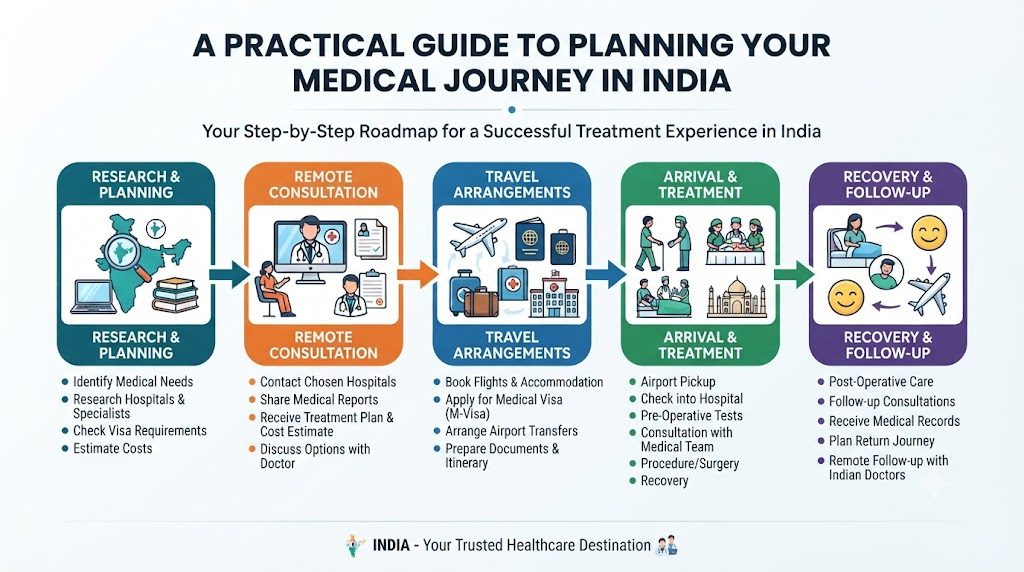
The decision to travel for medical care is often a turning point in a patient’s life. Whether you are facing a chronic orthopedic issue or require urgent cardiac intervention, the process of finding the right care can feel overwhelming. Over the last decade, MyMedicPlus has evolved from a niche alternative into a global standard for patients seeking high-quality, accessible, and specialized medical attention.
However, traveling across borders for surgery requires more than just a passport and a ticket. It demands a structured approach to researching hospitals, understanding procedure costs, and planning for recovery. This guide aims to demystify the process, helping you navigate the Indian healthcare landscape with confidence and clarity.
The Rise of Medical Travel: Why Patients Choose India
For many international patients, the primary motivator is the ability to access top-tier clinical expertise at a fraction of the cost found in their home countries. Beyond cost, India offers a robust healthcare ecosystem characterized by:
- Accredited Infrastructure: Numerous Indian hospitals hold JCI (Joint Commission International) or NABH certifications, ensuring that they adhere to international protocols for patient safety and clinical outcomes.
- Medical Expertise: The country has a high concentration of highly trained surgeons, many of whom have received fellowships and training from prestigious institutions in the West.
- Seamless Communication: English is the standard language for medical documentation and hospital staff communication, which significantly eases the experience for international travelers.
- Comprehensive Care: From diagnostic testing to post-operative rehabilitation, the integrated approach to patient care is a hallmark of the best hospitals in India for international patients.
Understanding the Economics of Treatment
One of the most frequently asked questions by prospective patients revolves around the treatment cost in India. While it is true that surgery in India is significantly more affordable than in regions like North America or Western Europe, it is important to understand that there is no “one-size-fits-all” price tag.
Variables That Influence Your Final Bill
When you receive a quote from a hospital, it is often a base estimate. Several factors can cause the final expense to differ:
- Hospital Selection: Premium hospitals in metropolitan hubs may have higher overheads than specialized centers in smaller cities.
- Surgeon Expertise: Senior consultants with specialized research backgrounds may have higher fees than junior practitioners.
- Procedure Complexity: For example, a standard knee replacement surgery cost in India will differ based on the type of implant used (e.g., standard vs. high-flex) and the severity of the joint damage.
- Clinical Nuances: Factors such as pre-existing conditions like diabetes or high blood pressure can require additional pre-operative diagnostic tests and longer ICU stays, which impact the total cost.
- Accommodation Choices: The room category you choose—ranging from semi-private to deluxe suites—will affect the hospital invoice.
Analyzing Specific Procedure Costs
When researching procedures, it is helpful to look at the total “package” price, which usually includes the surgeon’s fee, operating theater charges, anesthesia, nursing care, and basic medications.
- Cardiac Procedures: When researching heart bypass surgery cost in India, consider that this usually covers the diagnostic workup, the surgery itself, specialized nursing, and initial post-surgical recovery time.
- Orthopedic Procedures: Similarly, your budget for orthopedic surgery should include not just the procedure, but also the potential costs for post-operative physiotherapy, which is essential for a successful outcome.
The Importance of Strategic Healthcare Planning
Healthcare planning is the foundation of a successful medical journey. Without a clear plan, patients can face logistical hurdles, such as delays in hospital admission or unexpected costs.
A reliable healthcare information platform like MyMedicPlus serves as an essential tool in this phase. By utilizing a hospital comparison resource, you can move away from making decisions based solely on price and instead focus on quality metrics, surgeon reputation, and patient success stories.
Steps to Effective Planning
- Consolidate Your Records: Before reaching out to any provider, ensure you have updated medical history, recent scans, and reports readily available.
- Virtual Consultations: Many leading hospitals now offer preliminary video consultations. This allows you to speak directly with the medical team to discuss your treatment options and recovery expectations.
- Visa and Logistics: If you are traveling as an international patient, you will need a specific medical visa. Ensure you have all the necessary support letters from the hospital to facilitate this process.
- Define Your Recovery Time: Do not plan your return trip too soon after your surgery. Discuss the minimum required stay with your surgeon, as you will need time for post-operative follow-ups before being cleared for travel.
How to Compare Hospitals Effectively
Selecting the right facility is arguably the most important decision you will make. Use these criteria to evaluate your options:
| Criteria | Why it Matters |
| Accreditation | Ensures the facility meets global safety and hygiene benchmarks. |
| Experience Volume | Hospitals that perform a high volume of specific surgeries often have better outcomes. |
| International Patient Desk | Essential for handling logistics like airport transfers and visa extensions. |
| Technology | Check if the hospital uses modern advancements like robotic-assisted surgery or minimally invasive techniques. |
| Patient Support | Look for facilities that offer comprehensive patient assistance throughout the stay. |
Practical Tips for Your Medical Travel Checklist
To ensure your journey is as smooth as possible, keep the following checklist in mind:
- Communication: Keep a printed and digital copy of all medical reports.
- Companions: If possible, travel with a family member who can provide emotional support and assist with administrative tasks.
- Financial Buffer: Always carry a contingency fund for unforeseen expenses that might arise during the recovery period.
- Follow-up Planning: Discuss how you will manage your post-operative care once you return home. Will your local doctor work in tandem with your Indian surgeon?
Key Takeaways
- Focus on Quality, Not Just Cost: While affordable healthcare is a significant benefit, prioritize clinical outcomes, surgeon credentials, and hospital safety standards.
- Use Data to Decide: Utilize a reputable medical assistance platform to compare different healthcare providers rather than relying on hearsay or outdated information.
- Be Prepared: A comprehensive treatment planning guide can help you account for hidden expenses and ensure you have enough time allocated for recovery.
- Communication is Critical: Never hesitate to ask for a detailed breakdown of costs and a clear explanation of the procedure from your medical team.
Frequently Asked Questions (FAQs)
1. Is it common to travel to India for major surgeries?
Yes. India is a major hub for medical tourism, attracting patients from across the globe, particularly for cardiac, orthopedic, and oncology treatments.
2. How do I get an accurate cost estimate?
The best way is to share your medical reports with the hospital’s international patient desk. They can provide a tailored estimate based on your specific medical needs and the hospital’s current pricing.
3. What does “medical assistance platform” mean in this context?
Platforms like MyMedicPlus act as neutral resources that provide verified information about hospitals, help patients compare treatment costs, and guide them through the logistical steps of organizing their medical travel.
4. Are the medical standards in India comparable to those in the West?
Yes. The leading hospitals in India employ state-of-the-art technology and follow international clinical protocols. Many surgeons in these hospitals are internationally trained or have extensive experience practicing in the West.
5. How much time should I allocate for my trip?
This varies by procedure. For major surgeries, surgeons typically recommend staying for a specific duration post-procedure to ensure you are stable enough to travel. Always confirm this timeline before booking your return flight.
6. Can I get a second opinion through these platforms?
Yes, most healthcare information platforms can help facilitate remote consultations with specialized doctors, allowing you to get a second opinion before finalizing your travel plans.
7. Does the treatment cost include post-operative medications?
Usually, the package quote covers the hospital stay and surgery. However, post-discharge medications, physiotherapy sessions, and travel-related expenses are typically separate. Always ask for a clear list of what is included in the package.
Conclusion
Embarking on a medical journey is a significant undertaking, but with proper research and guidance, it can be a rewarding experience. By focusing on credible information and partnering with the right medical professionals, you can navigate the complexities of your treatment with peace of mind. Remember that successful healthcare planning is a collaborative effort between you, your family, and your medical team. Whether you are beginning your research or are ready to schedule your procedure, taking a methodical approach will ensure that you are well-positioned for the best possible outcome.