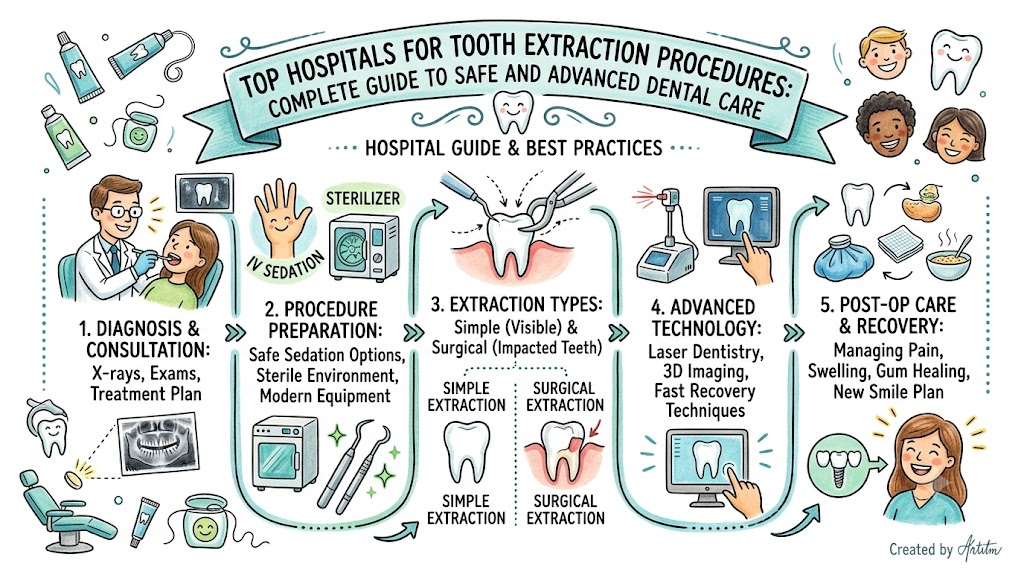
Introduction
Dental pain is one of the most disruptive experiences a person can face. Whether it’s a throbbing ache from an infection or the pressure of an impacted wisdom tooth, the discomfort can quickly dominate your daily life. While dentists always strive to save natural teeth, there are instances where removing a tooth is the most effective way to restore your oral health and prevent the spread of decay or infection.
Understanding the need for a tooth extraction is the first step toward finding relief. However, the success of the procedure depends significantly on where you choose to have it done. A specialized dental hospital offers more than just a removal; it provides a comprehensive, safe, and modern environment tailored to manage even the most complex dental cases with precision and care.
In this guide, we will walk you through what to expect during an extraction, why hospital-based care is a preferred option for many, and how to choose the right facility for your needs. For reliable information to guide your search for high-quality oral healthcare, visit BestDentalHospitals to find resources that simplify your journey to recovery.
Quick Answer
A top hospital for tooth extraction is defined by its team of board-certified oral surgeons, advanced 3D imaging technology, and high-level sedation capabilities. These facilities are ideal for tooth extraction because they prioritize patient safety through sterile environments and specialized emergency protocols, ensuring complex cases—like impacted wisdom teeth or severe infections—are managed with minimal discomfort and lower risk of complications. Specialized dental hospitals provide a superior, patient-centered experience, ensuring both the procedure and your recovery are handled with expert precision.
Understanding Tooth Extraction
What Is Tooth Extraction?
Tooth extraction is a dental procedure performed to remove a tooth from its socket in the jawbone. While it sounds intimidating, it is a routine, well-understood process performed by skilled oral surgeons to address issues that cannot be solved by fillings, crowns, or other restorative treatments.
Why Tooth Extraction May Be Necessary
Extraction becomes necessary when a tooth is damaged beyond repair or when it poses a threat to the surrounding healthy teeth. Common reasons include deep infection, traumatic injury, or lack of space in the jaw. Its primary goal is to improve the patient’s overall oral health.
Simple vs Surgical Tooth Extraction
A simple extraction is performed on teeth that are visible in the mouth, usually under local anesthesia. A surgical extraction is a more complex procedure required for teeth that are not easily accessible, such as those that are broken at the gum line or teeth that have not fully erupted.
Importance of Early Dental Evaluation
Ignoring dental pain often leads to more complicated scenarios where an extraction becomes the only viable option. Early evaluation allows your dentist to monitor potential issues and potentially intervene with less invasive treatments before an extraction is required.
Goals of Tooth Extraction Treatment
The ultimate goal is to eliminate pain, stop the spread of infection, and create space for a healthy dental alignment. By removing the problematic tooth, surgeons pave the way for future restorative options, such as dental implants or bridges.
Common Reasons for Tooth Extraction
Severe Tooth Decay
When decay reaches the center of the tooth (the pulp), it can cause severe infection. If root canal therapy is not an option, extracting the tooth prevents the infection from reaching the jawbone.
Advanced Gum Disease
Advanced periodontitis can loosen the gums and the underlying bone that supports the tooth. When a tooth becomes too loose to function properly, extraction is often required to maintain the health of the remaining teeth.
Impacted Wisdom Teeth
Wisdom teeth often lack the space to grow correctly. When they become trapped in the jawbone or gum tissue, they can cause pain, swelling, and infections, making removal necessary.
Dental Trauma and Injury
A fall, sports injury, or accident can fracture a tooth below the gum line. In these cases, the tooth may be unable to be repaired, requiring professional extraction to prevent further jaw trauma.
Orthodontic Treatment Needs
Sometimes, a patient’s mouth is simply too crowded to accommodate all their teeth. To create room for orthodontic treatments to effectively align the teeth, a dentist might recommend removing one or more healthy teeth.
Overcrowded Teeth
Overcrowding causes teeth to overlap and twist, which makes it nearly impossible to clean them properly. Removing a tooth helps alleviate this pressure and makes oral hygiene more manageable.
Tooth Infections
Persistent abscesses that do not respond to antibiotics or root canal treatment are a primary reason for extraction. Removing the source of the infection is the most reliable way to protect your systemic health.
What Makes a Top Hospital for Tooth Extraction Procedures?
Experienced Oral Surgeons
The quality of care starts with the surgeon. Top hospitals hire oral and maxillofacial surgeons who have extensive training beyond general dentistry, allowing them to handle surgical complexities with expertise.
Advanced Dental Imaging
Superior results start with accurate visualization. Top facilities use high-resolution digital X-rays and 3D imaging to understand the exact root structure and position of the tooth before starting the procedure.
Modern Surgical Facilities
A sterile, hospital-grade surgical environment significantly reduces the risk of post-operative infections. These facilities are designed for surgical efficiency and maintain the highest standards of sanitation.
Patient Safety Protocols
Safety is paramount. Top hospitals implement strict screening, advanced monitoring, and clear protocols for handling emergencies, ensuring you are protected throughout every stage of the treatment.
Sedation and Pain Management Options
Pain management is a hallmark of high-quality dental care. Top hospitals offer various levels of sedation—from local anesthesia to general anesthesia—to ensure that the patient feels absolutely no discomfort during the procedure.
Emergency Dental Care Services
Dental problems rarely adhere to a 9-to-5 schedule. The best hospitals provide access to emergency care, allowing patients to get the help they need when a situation suddenly worsens.
Comprehensive Recovery Support
Recovery is as important as the surgery. Leading centers provide detailed aftercare instructions and maintain contact with patients to ensure they are healing correctly, minimizing the chance of complications.
Advanced Technologies Used in Tooth Extraction
Digital Dental X-Rays
Digital X-rays expose patients to significantly less radiation than traditional film-based methods and provide instant, high-contrast images that help surgeons plan precisely.
3D Cone Beam CT Imaging
This technology provides a 360-degree view of the tooth and the surrounding jawbone. It is especially useful for complex extractions, as it helps the surgeon avoid nearby nerves and sinus cavities.
Computer-Guided Oral Surgery
By using specialized software, surgeons can simulate the extraction procedure digitally. This improves accuracy, reduces the duration of surgery, and allows for a less invasive approach to tissue manipulation.
Minimally Invasive Extraction Techniques
Using specialized instruments like periotomes, modern surgery allows for the removal of teeth with minimal damage to the surrounding bone and gum tissue, which significantly speeds up the healing process.
Advanced Sedation Technologies
Modern sedation delivery systems allow for precise control over the depth of anesthesia. This makes the procedure safer and more comfortable, especially for patients with dental anxiety.
Digital Patient Monitoring
During the procedure, your vital signs, such as heart rate and oxygen levels, are tracked electronically. This ensures the dental team can immediately respond to any changes in your body’s status.
AI-Assisted Treatment Planning
Artificial intelligence is increasingly used to analyze dental images. It helps identify potential risks in the jaw structure that might be overlooked, allowing the surgeon to optimize the treatment plan beforehand.
Benefits of Choosing Specialized Dental Hospitals
Accurate Diagnosis
The combination of specialist experience and advanced diagnostic tools ensures that you are only having the necessary teeth removed, preventing misdiagnosis and unnecessary procedures.
Reduced Surgical Risks
Hospitals are equipped with sophisticated instruments and backup systems. If a complication were to arise, a specialized hospital has the surgical expertise and emergency tools to resolve it immediately.
Better Pain Management
Specialized centers often have anesthesiologists on staff. This allows for a wider range of pain management options, ensuring the procedure is entirely pain-free, even for patients with extreme dental fear.
Faster Recovery
By using minimally invasive techniques and superior post-operative care, patients often experience less swelling, less pain, and a faster return to their regular routine compared to standard dental clinics.
Personalized Treatment Plans
Every patient is unique. Specialized hospitals prioritize a personalized approach, carefully considering your medical history, bone density, and anxiety levels when designing your surgical plan.
Long-Term Oral Health Support
These institutions don’t just extract the tooth; they help you look at the “big picture.” They often provide consultations for tooth replacement options like implants to restore your bite and smile.
Comparison Table: Simple Extraction vs Surgical Extraction
| Feature | Simple Extraction | Surgical Extraction |
| Tooth Status | Fully visible in mouth | Impacted, broken, or unerupted |
| Procedure | Instruments lift the tooth | Requires small gum incision |
| Anesthesia | Local anesthesia | Local or IV sedation/General |
| Complexity | Low | Moderate to High |
| Healing Time | Faster | Slightly longer |
Comparison Table: General Dental Clinic vs Specialized Dental Hospital
| Feature | General Dental Clinic | Specialized Dental Hospital |
| Expertise | General dentistry focus | Specialized Oral Surgery |
| Sedation | Limited options | Full range (including IV/General) |
| Technology | Basic X-rays | 3D CBCT, digital planning |
| Emergency | Limited capabilities | Full emergency protocols |
| Environment | Office-based | Hospital-grade sterile surgical suites |
Symptoms That May Indicate Tooth Extraction Is Needed
Persistent Tooth Pain
A constant, dull ache or sharp pain when you bite down is a common sign of deep decay or infection. This should be checked by a dentist before it leads to further damage.
Swollen Gums
Gums that appear red, puffy, or bleed easily around a specific tooth often suggest an underlying infection or an issue with the tooth’s root that may require professional removal.
Recurrent Infections
If you notice a recurring pimple-like bump on your gum line (an abscess) near a tooth, it is a sign that the tooth is infected and may not be salvageable.
Difficulty Chewing
If you find yourself avoiding one side of your mouth because of pain or pressure, the affected tooth may be cracked or structurally compromised.
Impacted Wisdom Tooth Symptoms
Symptoms of impacted teeth include pain in the back of the mouth, swollen lymph nodes in the neck, and difficulty fully opening your mouth, which warrants immediate attention.
Severe Tooth Damage
A tooth that has suffered a massive fracture due to trauma may not have enough healthy structure remaining to support a crown or filling, making extraction the safest path.
Diagnosing Dental Problems
Dental Examination
The process begins with a clinical exam. The dentist looks for signs of decay, gum recession, and structural damage to the tooth’s surface.
Oral Health Assessment
This evaluates the overall health of your mouth. It looks for patterns of wear, the health of your gums, and the alignment of your bite, which can influence how a tooth is extracted.
Digital Imaging Tests
X-rays and 3D CT scans are used to determine the depth of the roots, the proximity to nerves, and the presence of hidden infections or cysts in the surrounding jawbone.
Infection Evaluation
If infection is suspected, your dentist may look for signs of systemic spread, such as fever or extreme sensitivity, to determine how urgent the extraction needs to be.
Treatment Planning Process
Once the diagnosis is confirmed, your surgeon will discuss the options with you. This involves explaining the procedure, the expected recovery time, and the plans for replacing the tooth if necessary.
Types of Tooth Extraction Procedures
Simple Tooth Extraction
This is a standard procedure for teeth that are fully erupted. The surgeon uses an elevator to loosen the tooth and then forceps to remove it. It is quick and routine.
Surgical Extraction
This involves accessing a tooth that is under the gums or bone. The surgeon makes a small incision, may remove a tiny piece of bone, and then extracts the tooth, often in sections.
Wisdom Tooth Removal
Wisdom tooth extraction is a specialized surgical procedure. It involves removing one or more of the third molars, often to prevent crowding or to resolve impaction-related infections.
Multiple Tooth Extractions
In cases of advanced periodontal disease or comprehensive smile makeovers, the surgeon may remove several teeth during a single visit. This requires careful coordination and excellent sedation management.
Emergency Tooth Extraction
When a patient arrives with acute pain or severe trauma, an emergency extraction is performed to stabilize the patient and prevent the condition from worsening overnight.
Preparing for a Tooth Extraction Procedure
Initial Consultation
Bring your list of current medications and your dental history. This meeting is where you build trust with your surgeon and get all your questions answered.
Medical History Review
Surgeons need to know about any conditions like heart disease, diabetes, or bleeding disorders, as these influence how your body will react to surgery and healing.
Medication Assessment
Be honest about any blood thinners or supplements you take, as these can increase bleeding risk during surgery. Your surgeon will advise you on whether to pause them.
Pre-Procedure Instructions
You will receive guidelines on fasting (if anesthesia is used), what to wear, and how to prepare your home for a few days of rest and recovery.
Questions Patients Should Ask
Ask: “What sedation do you recommend for me?”, “What should I eat afterward?”, “How long will I be out of work?”, and “When do I need to schedule a follow-up?”
What Happens During Tooth Extraction?
Step-by-Step Procedure Overview
The procedure starts with ensuring the area is completely numb. Once you are comfortable, the surgeon performs the extraction, cleans the socket, and sutures the area if necessary.
Local Anesthesia
This numbs the tooth and the surrounding gum. While you will be aware of the pressure, you will not feel any pain during the operation.
Sedation Options
For complex procedures or patients with anxiety, sedation ranges from nitrous oxide (laughing gas) to intravenous (IV) sedation, which can make the procedure feel like a brief nap.
Surgical Techniques
The surgeon uses specialized instruments to gently loosen the tooth from the periodontal ligament, ensuring the socket is preserved as much as possible for future health.
Immediate Post-Procedure Care
After the tooth is removed, the surgeon places gauze over the socket. They provide instructions on how to bite down, when to change the gauze, and how to manage initial swelling.
Recovery After Tooth Extraction
First 24 Hours
This period is for resting. Avoid spitting, sucking through a straw, or smoking, as these actions can dislodge the blood clot necessary for healing.
Managing Pain and Swelling
Use ice packs on the outside of your cheek to minimize swelling. Take prescribed pain medication exactly as directed, even before the numbness fully wears off.
Diet Recommendations
Stick to soft, cool foods like yogurt, applesauce, or room-temperature soups for the first couple of days. Avoid hot, spicy, or crunchy foods that could irritate the site.
Oral Hygiene During Recovery
You can continue to brush and floss your other teeth, but be very gentle near the extraction site. Avoid rinsing the site too vigorously for the first 24 hours.
Returning to Daily Activities
Most people feel ready to return to work or school within 2–3 days. Avoid strenuous physical exercise for at least 4–5 days to prevent increased blood pressure in the head, which can lead to bleeding.
Follow-Up Appointments
A follow-up visit is typically scheduled after a week to remove any non-dissolvable stitches and to ensure the socket is healing correctly.
Risks and Potential Complications
Dry Socket
This happens if the blood clot in the socket dissolves or is dislodged prematurely. It is painful and requires a visit to the dentist for a medicated dressing.
Infection
Though rare in sterile environments, signs include worsening pain, fever, or a bad taste in the mouth. Always report these to your surgeon immediately.
Bleeding
A little oozing is normal, but heavy, bright red bleeding that doesn’t stop after applying pressure should be reported to the clinic.
Nerve Injury
While the surgeon takes great care to avoid nerves, there is a very small risk of numbness in the lip or tongue, which is usually temporary.
Delayed Healing
This can occur if the patient smokes or does not follow aftercare instructions. Staying compliant with instructions is the best way to ensure smooth healing.
How Specialized Hospitals Reduce Risks
They use sterile techniques, state-of-the-art imaging to map nerve paths, and comprehensive aftercare protocols that catch issues early, keeping the complication rate very low.
Wisdom Tooth Extraction
When Wisdom Teeth Need Removal
They are removed when they are impacted, cause pain, damage the neighboring tooth, or increase the risk of cysts or gum disease in the back of the mouth.
Signs of Impacted Wisdom Teeth
Common signs include jaw pain, stiffness in the jaw, and visible signs of infection or inflammation behind the second molars.
Surgical Process
The surgery is typically done under IV sedation. The surgeon removes the teeth carefully and, if needed, sutures the gums to promote clean healing.
Recovery Expectations
Recovery for wisdom teeth takes about a week. Most patients feel much better by the third or fourth day, provided they rest and eat soft foods.
Long-Term Benefits
Removing problematic wisdom teeth prevents future pain, protects the alignment of your other teeth, and eliminates a common area for persistent gum infections.
How to Choose the Right Dental Hospital
Experience of Oral Surgeons
Research the surgeon’s background. Look for specialized training in oral and maxillofacial surgery. Experience with thousands of extractions is a great indicator of skill.
Technology and Infrastructure
Does the hospital have a 3D scanner? Is the surgical room clean and well-equipped? These are visual cues of a high-standard facility.
Emergency Care Availability
The right hospital should have a clear process for handling complications, even after-hours. Knowing they are there for you if you have a post-op concern is crucial.
Sedation Services
If you have dental fear, ensure the hospital offers IV or deep sedation. Not every facility does, and this can be the difference between a stressful and a peaceful experience.
Recovery and Follow-Up Support
A good hospital provides you with a dedicated phone line or after-hours service. This support makes the recovery phase significantly less stressful.
Questions to Ask Before Treatment
Ask: “How often do you perform this specific type of extraction?”, “What kind of anesthesia do you recommend for me?”, and “What is your policy on post-op complications?”
Cost and Financial Considerations
Factors Affecting Procedure Costs
The cost is determined by the tooth’s location (impacted vs. simple), the type of sedation used, and the complexity of the surgical approach.
Complexity of Extraction
An impacted wisdom tooth will naturally cost more to remove than a simple tooth, as it requires more time, technology, and surgical skill.
Hospital and Facility Charges
Hospitals have higher overhead due to maintaining sterile, high-end equipment. While the cost may be higher than a small clinic, you are paying for the safety and tech provided.
Sedation Costs
If an anesthesiologist is required, there will be an additional fee. This is an investment in your safety and comfort that is well worth it.
Insurance and Financial Planning
Check if your insurance covers oral surgery. Many hospitals have financial counselors who can help you verify your benefits and set up payment plans if needed.
Future of Dental Extraction Procedures
AI in Dentistry
AI is already helping predict how teeth will move after an extraction, allowing surgeons to make better decisions about which teeth should be removed to benefit the whole smile.
Advanced Surgical Planning
Virtual Reality (VR) is beginning to be used to visualize extractions in 3D, allowing surgeons to rehearse the procedure on the patient’s actual anatomy before the surgery even begins.
Minimally Invasive Oral Surgery
New ultrasonic tools allow for the removal of teeth without cutting into bone, which significantly reduces the post-operative recovery period.
Digital Patient Care
Patient portals now allow you to upload photos of your recovery site to a dashboard for your surgeon to review, meaning you don’t always have to travel for a check-up.
Emerging Dental Technologies
From better biomaterials that help the bone heal faster to new types of anesthesia that wear off precisely when needed, the future of dental care is focused on comfort.
Key Takeaways
- Tooth extraction is a routine way to protect your overall oral health.
- Always choose a specialized hospital for surgical extractions or impacted teeth.
- Advanced 3D imaging is essential for planning safe, accurate procedures.
- Never underestimate the importance of sedation for comfort and safety.
- Following post-operative instructions is the #1 way to avoid “dry socket” and infection.
- Don’t ignore symptoms like jaw stiffness or persistent ache behind the molars.
- Specialized hospitals provide higher safety standards than general clinics.
- Financial planning and insurance checks should be done during the initial consultation.
- Recovery time is usually short, provided you rest and follow diet rules.
- Oral surgery is becoming more precise, faster, and more comfortable every year.
FAQ Section
1.How long does a tooth extraction procedure take?
A simple extraction takes about 20–30 minutes, while complex surgical extractions (like impacted wisdom teeth) can take 45–90 minutes depending on the difficulty.
2.Is it normal to feel pain after the numbness wears off?
Yes, some discomfort is normal as the anesthesia fades. Your surgeon will provide a pain management plan to keep you comfortable during the first few days.
3.What is a “dry socket” and how do I prevent it?
A dry socket occurs if the blood clot is dislodged. Prevent it by avoiding straws, smoking, and vigorous spitting for at least the first 24–48 hours after surgery.
4.Can I eat normally right after the procedure?
You should stick to a soft-food diet for the first few days. Gradually reintroduce solid foods as you feel comfortable, avoiding anything sharp or crunchy near the surgical site.
5.Do I really need to have my wisdom teeth removed?
If they are impacted or cause infections, yes. Leaving them can lead to damage to neighboring teeth or the development of cysts in the jawbone.
6.What is the advantage of IV sedation?
IV sedation makes you feel sleepy and relaxed. Most people don’t remember the procedure, and it allows the surgeon to work efficiently without you feeling any anxiety or pain.
7.How soon can I go back to work?
Most patients return to work or school within 2–3 days. If your job involves heavy lifting or strenuous activity, plan for a few extra days of rest.
8.What should I do if I start bleeding heavily?
Apply firm, steady pressure with a folded piece of clean gauze for 30–60 minutes. If the bleeding is excessive or does not slow down, contact your surgeon immediately.
9.Will I need a replacement for the extracted tooth?
If the tooth is visible when you smile or essential for chewing, your dentist will likely recommend a bridge or an implant to prevent surrounding teeth from shifting.
10.Are all tooth extractions considered “surgery”?
A simple extraction is a minor procedure, while an impacted tooth extraction is considered a surgical procedure. Both are performed with the utmost care to ensure your safety.
Conclusion
Tooth extraction may feel like a daunting prospect, but when performed in a specialized hospital by an experienced oral surgeon, it is a safe and highly effective way to eliminate pain and restore your long-term health. By choosing a facility that values advanced technology, patient safety, and compassionate aftercare, you ensure that your experience is as comfortable and efficient as possible.
Remember, your oral health is directly connected to your overall well-being. Don’t wait for a dental issue to become an emergency. Prioritize regular checkups and, if an extraction is needed, trust the experts to guide you through the process. For more information and resources on finding top-tier care, visit BestDentalHospitals.com to start your journey toward a healthy, pain-free smile.