Introduction
Your smile is more than just an aesthetic asset—it is a vital component of your overall health, confidence, and ability to thrive. Sometimes, achieving optimal oral health requires more than routine cleanings or simple fillings; it demands the precision and expertise of advanced dental surgery. When faced with complex oral health challenges, knowing where to turn for high-quality surgical care can be the difference between a quick recovery and lingering complications.
Hospitals specializing in dental surgery provide a high level of clinical rigor, combining the expertise of oral and maxillofacial surgeons with state-of-the-art medical technology. Choosing the right hospital ensures that your procedure is performed in a safe, sterile, and highly monitored environment tailored to your specific needs. In this guide, we will explore the landscape of modern dental surgery, helping you understand how to navigate your options. You can find more expert resources and facility guides at BestDentalHospitals to help you make an informed decision for your journey toward a healthier, more functional smile.
Quick Answer
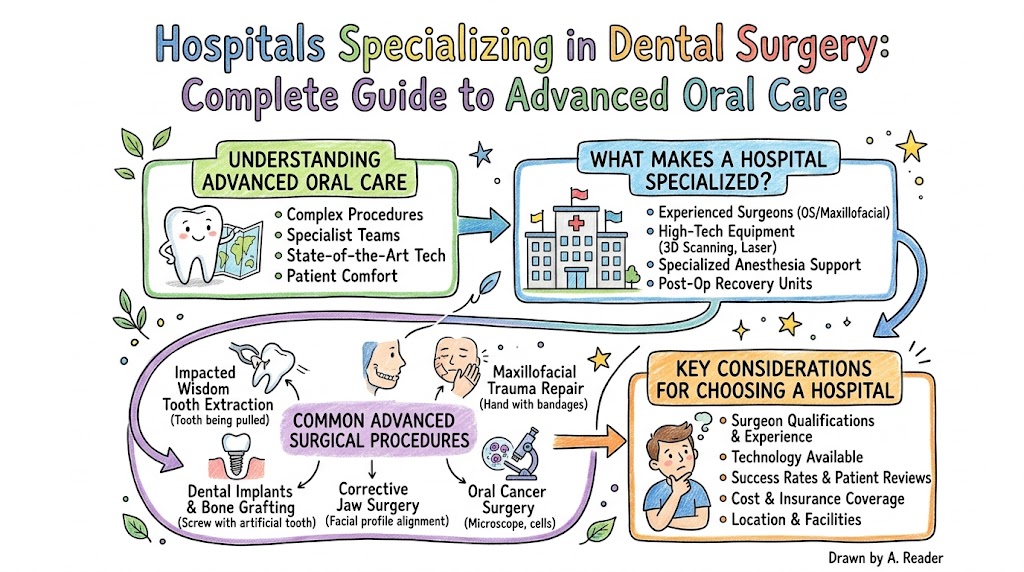
A hospital specializing in dental surgery stands out by housing board-certified oral and maxillofacial surgeons, advanced 3D diagnostic imaging, and dedicated surgical suites that meet hospital-grade safety and sterilization standards. These institutions are equipped to handle complex cases ranging from intricate dental implants and corrective jaw surgery to emergency trauma care. By providing multidisciplinary teams, rigorous infection control, and comprehensive post-operative recovery support, these specialized centers offer superior precision and safety compared to standard dental clinics, ensuring optimal long-term functional and aesthetic outcomes for every patient.
Understanding Dental Surgery
What Is Dental Surgery?
Dental surgery encompasses a wide range of procedures designed to treat complex oral, dental, and facial conditions. While general dentistry focuses on maintenance and prevention, dental surgery involves invasive techniques to correct structural, functional, or pathological issues in the mouth and jaw.
Why Dental Surgery May Be Necessary
Surgery is often required when tooth, gum, or jaw problems cannot be resolved through conservative measures. Whether due to trauma, decay, genetic conditions, or persistent infection, surgical intervention is often the most effective way to restore function and prevent future health complications.
Common Oral Health Problems Requiring Surgery
Common issues include impacted teeth, severe jaw misalignment, significant tooth loss, oral cysts, and advanced periodontal disease that has damaged the supporting bone structure.
Who May Need Dental Surgery?
Patients of all ages may require surgery. This includes young people needing wisdom tooth extractions or jaw correction, as well as older adults requiring dental implants or reconstructive surgeries to restore their ability to eat, speak, and smile comfortably.
Benefits of Early Treatment
Early intervention is crucial. Addressing a problem surgically before it becomes severe can prevent further damage to surrounding teeth and bone, shorten the recovery time, and often result in simpler, less costly procedures.
Types of Dental Surgery Procedures
Wisdom Tooth Extraction
Wisdom teeth often grow in crowded spaces or at awkward angles, which can cause pain, infection, or damage to adjacent teeth. Extraction is a routine yet precise surgical procedure to resolve these issues.
Dental Implant Surgery
Dental implants are titanium posts surgically placed into the jawbone to act as artificial roots for crowns, bridges, or dentures. This procedure is the gold standard for replacing missing teeth.
Bone Grafting Procedures
When the jawbone is too thin or soft to support an implant, a bone graft is performed to “build up” the area, providing a secure foundation for the future implant.
Gum Surgery
Periodontal surgery is designed to treat advanced gum disease, reduce deep pockets, or repair receding gum tissue to protect the tooth roots and stabilize the smile.
Root-End Surgery (Apicoectomy)
When a standard root canal fails to heal an infection, an apicoectomy removes the tip of the tooth root and the infected tissue surrounding it to save the tooth.
Corrective Jaw Surgery
This procedure, often performed by an oral surgeon, realigns the upper or lower jaw to correct bite problems, jaw pain, or facial imbalances.
Oral and Maxillofacial Surgery
This is a broad specialty encompassing the diagnosis and surgical treatment of diseases, injuries, and defects involving the mouth, jaws, face, and neck.
Reconstructive Dental Procedures
For patients with significant tooth or bone loss, reconstructive surgery rebuilds the oral anatomy, often using a combination of grafts and specialized prosthetics.
Common Conditions Treated in Specialized Dental Hospitals
Impacted Teeth
When a tooth is unable to break through the gum line, it can lead to infection and pain. Specialized surgeons have the expertise to remove these teeth without damaging nearby structures.
Missing Teeth
Whether due to decay, trauma, or congenital absence, missing teeth can cause bone loss and bite issues. Hospitals offer advanced restorative surgical solutions to restore your smile.
Severe Tooth Decay
In cases where decay has reached the root or damaged the surrounding bone, surgical intervention is sometimes the only way to clear the infection and preserve the remaining healthy tissue.
Gum Disease
Advanced periodontal disease can destroy the bone holding your teeth in place. Surgical treatments are often necessary to clean out deep infection and stimulate bone and gum regeneration.
Jaw Disorders
Issues like TMJ (temporomandibular joint) disorders or jaw misalignments can cause significant chronic pain and functional impairment, requiring surgical correction.
Facial Trauma
Specialized hospitals are equipped to treat complex facial injuries, including broken jaws or dental fractures resulting from accidents, sports injuries, or falls.
Oral Cysts and Tumors
Surgeons are trained to detect and safely remove benign or malignant growths within the oral cavity, often working with pathologists to ensure complete diagnosis and treatment.
Features of Hospitals Specializing in Dental Surgery
Experienced Oral and Maxillofacial Surgeons
The cornerstone of any specialized hospital is its surgical staff. Surgeons here have undergone years of residency training focusing specifically on the surgical anatomy of the mouth, jaws, and face.
Advanced Diagnostic Imaging
Hospitals use high-tech imaging tools like CBCT (Cone Beam Computed Tomography) to provide 3D views of the teeth, nerves, and bone, ensuring extreme surgical precision.
Digital Treatment Planning
Before an incision is made, surgeons use digital software to map out the entire procedure, allowing them to anticipate challenges and ensure the final result is perfectly aligned.
Modern Operating Facilities
Unlike small clinics, these hospitals provide fully equipped operating rooms with advanced anesthesia monitoring, ensuring a high level of safety during longer or complex procedures.
Infection Control and Sterilization Standards
Hospitals follow strict, hospital-grade sterilization protocols that exceed standard dental clinic requirements, providing an extra layer of protection against post-surgical infections.
Multidisciplinary Dental Care Teams
Complex cases often involve a team, including periodontists, orthodontists, and restorative specialists who work together to coordinate every phase of your treatment.
Emergency Dental Surgery Services
Specialized centers are better equipped to handle emergencies, such as facial trauma or severe infections, offering care that might not be possible in a standard office.
Advanced Technologies Used in Dental Surgery
Digital Dental Imaging
High-definition digital X-rays and imaging provide clear, instant views of your oral anatomy, allowing for faster and more accurate diagnostic decisions.
3D Treatment Planning
Surgeons use 3D modeling to simulate your surgery, ensuring that the placement of implants or the correction of jaw position is flawless before the procedure begins.
Computer-Guided Implant Placement
This technology uses custom-made surgical guides to ensure that dental implants are placed exactly where the digital plan intended, maximizing safety and aesthetics.
Laser Dentistry
Lasers are used for a variety of tasks, such as precise gum cutting, removing small growths, or sterilizing surgical sites, often resulting in less bleeding and faster healing.
CAD/CAM Dental Technology
Computer-Aided Design and Manufacturing (CAD/CAM) allow for the quick, high-precision creation of custom surgical guides, crowns, and bridges right within the hospital system.
AI-Assisted Diagnostic Systems
AI helps surgeons detect subtle patterns in X-rays, such as tiny bone loss or early signs of pathology, ensuring no diagnostic detail is overlooked.
Digital Smile Design
This technology allows patients to see the expected final result of their surgery before it even begins, helping to align expectations and build confidence in the treatment plan.
Benefits of Choosing Specialized Dental Surgery Hospitals
Choosing a hospital ensures that you are surrounded by resources. You gain access to a culture of clinical excellence, where surgeons are familiar with the latest global research and standards. These centers prioritize patient safety through comprehensive monitoring, provide advanced tools that aren’t available in standard clinics, and offer a level of follow-up care that keeps you safe during your recovery.
Comparison Table: General Dental Clinic vs Specialized Dental Surgery Hospital
| Feature | General Dental Clinic | Specialized Dental Surgery Hospital |
| Focus | Prevention/Routine Maintenance | Complex Surgical Correction |
| Surgical Expertise | Basic Extractions/Fillings | Advanced Oral & Maxillofacial Surgery |
| Imaging | 2D X-rays | 3D CBCT/Advanced Digital Imaging |
| Anesthesia Options | Local/Nitrous Oxide | IV Sedation/General Anesthesia |
| Facilities | Outpatient dental chair | Hospital-grade operating suites |
| Safety Protocols | Standard clinic sterilization | Hospital-grade sterile environment |
Comparison Table: Common Dental Surgery Procedures and Their Benefits
| Procedure | Target Concern | Primary Benefit |
| Dental Implants | Missing Teeth | Permanent, natural-feeling replacement |
| Wisdom Extraction | Impaction/Crowding | Prevents infection and future damage |
| Bone Grafting | Bone Loss | Enables implant placement/stability |
| Corrective Jaw Surgery | Misalignment/Pain | Restores function/improves facial balance |
| Apicoectomy | Root Infection | Saves a tooth from extraction |
| Gum Surgery | Periodontal Disease | Prevents tooth loss/improves health |
Preparing for Dental Surgery
Initial Consultation
This is your opportunity to discuss your goals, medical history, and anxieties. Be open about any medications or supplements you take, as these can affect bleeding and healing.
Diagnostic Testing
Your team will take 3D images and possibly blood work to ensure you are physically prepared for the surgery and that the surgical plan is accurate.
Medical History Assessment
Surgeons will review your health profile, checking for conditions like diabetes or heart disease, which may require specific precautions during anesthesia.
Pre-Surgical Instructions
You will receive clear guidelines on fasting (if anesthesia is used), what clothes to wear, and how to arrange for transportation home afterward.
Questions to Ask Your Surgeon
- What are the risks specific to my surgery?
- How long will the recovery period be?
- What type of anesthesia will be used?
- What are the alternatives to this procedure?
- How can I best support my recovery at home?
Recovery After Dental Surgery
Immediate Recovery Phase
Immediately after surgery, you will be monitored in a recovery area until you are alert and stable. You may feel drowsy from anesthesia, so having a designated caregiver is essential.
Managing Pain and Swelling
Use prescribed medications or over-the-counter pain relievers as directed. Applying cold packs to the face during the first 24 hours significantly reduces swelling.
Diet and Nutrition During Recovery
Stick to soft, cool, or room-temperature foods for the first few days. Gradually reintroduce solid foods as your comfort allows, ensuring you stay hydrated.
Oral Hygiene After Surgery
Follow your surgeon’s instructions on cleaning. You may need to gently rinse with a prescribed antiseptic or warm saltwater to keep the surgical site clean without disturbing the healing process.
Follow-Up Appointments
Do not skip these visits. Your surgeon needs to remove stitches (if necessary) and verify that the tissues are healing according to plan.
Long-Term Oral Health Maintenance
Surgery is just the first step. Maintain regular dental check-ups and follow a strict oral hygiene routine to ensure your surgical results last a lifetime.
Risks and Potential Complications
Infection Risks
While hospitals maintain sterile environments, you have a role too. Keeping the surgical site clean is the best way to prevent bacteria from causing an infection.
Bleeding and Swelling
These are normal side effects, but excessive bleeding should be reported to your surgeon immediately. Managing them according to instructions prevents complications.
Implant-Related Complications
While rare, implants can fail to integrate with the bone. Following your surgeon’s dietary and activity restrictions during the “healing window” is vital for long-term success.
Nerve Injury Risks
In some cases, especially wisdom tooth extractions, there is a minor risk of nerve sensitivity. Specialized hospitals use precise imaging to minimize this risk significantly.
Delayed Healing
Smoking or failing to follow dietary restrictions can slow healing. If you have conditions like diabetes, managing them closely is key to faster tissue repair.
How Specialized Hospitals Minimize Risks
By using advanced diagnostic imaging and meticulous surgical technique, these hospitals catch potential issues before they become complications and manage any minor issues immediately.
Dental Implants and Reconstructive Dentistry
Understanding Dental Implants
Implants are the most advanced way to replace missing teeth. They provide a structural root that stimulates the jawbone, preventing the “sunken” look associated with tooth loss.
Benefits of Implant Surgery
Beyond aesthetics, implants allow you to eat normally, prevent surrounding teeth from shifting, and provide a permanent solution that is easier to maintain than dentures.
Full-Mouth Rehabilitation
For patients with widespread decay or tooth loss, a full-mouth reconstruction rebuilds the entire oral system, using a mix of implants, crowns, and surgical adjustments.
Bone Grafting and Implant Support
Not all jaws are immediately ready for implants. Bone grafting allows surgeons to recreate the bone volume needed to ensure the implant stays stable for decades.
Long-Term Success Factors
Success relies on your oral hygiene, the quality of the surgical placement, and your commitment to routine follow-up care.
Oral and Maxillofacial Surgery
Jaw Correction Procedures
These procedures move the upper or lower jaw to solve bite issues, which can also improve sleep apnea and chronic pain caused by jaw misalignment.
Facial Trauma Management
Specialists in this area are the “first responders” for facial injuries. They focus on restoring function and appearance after accidents, often reconstructing bone and soft tissue.
Oral Pathology Treatment
This involves the diagnosis and removal of cysts, tumors, or other growths in the mouth, often using biopsy to ensure you receive the appropriate treatment.
Reconstructive Surgery
Complex procedures that rebuild missing bone or tissue, often using advanced grafting techniques or donor tissue, to prepare the mouth for implants or to improve function.
How to Choose the Right Dental Surgery Hospital
Qualifications of Specialists
Check if your surgeon is a Board-Certified Oral and Maxillofacial Surgeon. This confirms they have met the highest standards of education and clinical experience.
Technology and Infrastructure
Look for hospitals that feature high-end imaging and sterile, surgical-grade operating rooms. This is a primary indicator of their commitment to surgical safety.
Safety and Sterilization Standards
A good hospital should be transparent about how they maintain their instruments. Ask about their sterilization protocols; they should be proud to show you.
Emergency Care Availability
The best hospitals have systems in place for after-hours care and are prepared to handle urgent issues immediately, which is crucial for surgical patients.
Rehabilitation and Follow-Up Services
Does the hospital offer on-site rehab or clear, structured follow-up care? You want to know you will be supported even after the surgery is done.
Patient Education Programs
Reputable hospitals provide you with thorough written materials and digital videos explaining your surgery, risks, and recovery, empowering you to participate in your own care.
Questions Patients Should Ask
- How many procedures of this type does your hospital perform annually?
- What are the specific safety protocols for anesthesia?
- How will you communicate with my general dentist throughout this process?
- What is the plan if a complication occurs after hours?
- How does your facility ensure the best possible aesthetic outcome?
Cost and Financial Considerations
Factors Affecting Treatment Costs
The cost includes the surgeon’s fee, anesthesia, facility fees, and the technology used for your specific plan. Complex reconstructions involve more resources than a standard extraction.
Complexity of the Procedure
A single implant is less complex than full-mouth rehabilitation. Your surgeon will provide a transparent breakdown of what is involved in your specific surgical plan.
Technology Used
Advanced 3D imaging, computer-guided surgery, and modern regenerative materials are investments in the quality of your result, which can influence the total price.
Hospital Facilities
A hospital setting offers higher safety and monitoring capabilities than a standard office, which is reflected in facility fees but provides unmatched peace of mind.
Insurance and Financial Planning
Most hospitals have dedicated teams to help you navigate insurance coverage and explore financing options to make advanced oral care more accessible.
Future of Dental Surgery
AI in Dentistry
AI is becoming a game-changer for diagnostic accuracy. Expect future procedures to be even more predictable as AI analyzes thousands of outcomes to optimize your surgical plan.
Robotic-Assisted Dental Procedures
Robotic platforms are already helping surgeons perform tasks with superhuman precision, potentially reducing the margin of error in complex bone grafts and implant placements.
Digital Surgical Planning
As digital tools improve, your entire surgical journey will be planned in a virtual environment, allowing you to see your outcome in detail long before surgery day.
Personalized Dental Treatments
Advancements in genetics and personalized medicine will allow surgeons to use your own body’s growth factors and tissue types to achieve faster and more predictable healing.
Emerging Innovations in Oral Healthcare
From stem cell research to self-regenerating materials, the future of dental surgery is shifting toward repairing and rebuilding your natural tissues whenever possible.
Key Takeaways
- Dental surgery is essential for complex oral issues that routine dentistry cannot address.
- Specialized hospitals offer higher safety, sterility, and surgical expertise than standard clinics.
- Board-certified oral surgeons have the most advanced training for mouth, jaw, and facial procedures.
- Advanced diagnostic tools like 3D imaging are critical for surgical precision.
- Digital treatment planning allows you to visualize outcomes before surgery starts.
- Infection control in a hospital setting provides superior peace of mind.
- Recovery success depends on following your surgeon’s dietary and oral hygiene instructions.
- Choose a hospital that offers integrated follow-up and long-term maintenance support.
- Don’t hesitate to ask about procedural volume and the qualifications of the surgical team.
- The future of dentistry is increasingly digital, robotic, and personalized for faster healing.
FAQ Section
How is a specialized dental surgery hospital different from a standard dental office?
A specialized hospital features operating suites, hospital-grade sterilization, and advanced anesthesia capabilities. The staff consists of surgeons with extensive hospital-based residency training, allowing them to perform procedures that require higher safety monitoring than a routine office can offer.
What is the most common reason people need dental surgery?
Impacted teeth, such as wisdom teeth, and the need for dental implants to replace missing teeth are among the most common reasons. Jaw misalignment requiring corrective surgery is another major focus area for specialized hospitals.
Is general anesthesia always required for dental surgery?
No, it depends on the complexity of the case. Many procedures can be done with local anesthesia or IV sedation. Your surgeon will discuss the best, safest option for your specific procedure.
Can I get my dental implants placed at a standard dental clinic?
Many clinics offer implants, but complex cases—especially those requiring bone grafting or jaw work—are often best handled in a specialized surgery hospital where the surgeon has advanced reconstructive training.
How long does the recovery usually last after jaw surgery?
Initial recovery often takes a few weeks, during which you will follow a soft diet. Full healing, where you are back to complete function, can take several months. Your hospital team will guide you through every stage.
What should I do if I feel pain after my dental surgery?
It is normal to have some discomfort. Follow your post-operative instructions for pain management. If the pain is severe, does not subside with medication, or if you develop a fever, contact your surgical hospital immediately.
Are dental surgery procedures covered by insurance?
Coverage varies significantly based on your policy. Procedures that are deemed “medically necessary” (like jaw correction) are often covered differently than those that are strictly “restorative.” Always check with your insurance provider and the hospital’s finance team.
Why is 3D imaging (CBCT) important?
3D imaging provides a view of your teeth, bone, and nerves from every angle. This is vital for surgeons to avoid damaging nerves and to ensure implants or surgical cuts are placed with millimeter accuracy.
What is the benefit of bone grafting?
Bone grafting builds up bone volume in areas where it has been lost. Without it, some patients would not have enough bone density to support dental implants, making the grafting essential for a successful, stable result.
How can I ensure I choose the right surgeon?
Check for board certification in Oral and Maxillofacial Surgery, ask about their experience with your specific procedure, and look for a hospital environment that prioritizes patient safety and provides transparent communication about their protocols.
Conclusion
Choosing to undergo dental surgery is an investment in your long-term health and quality of life. By selecting a hospital specializing in dental surgery, you ensure that your oral health is in the hands of highly trained experts supported by the latest technology and safety protocols. These specialized centers are designed to turn complex challenges into successful, life-changing results.Remember, your surgery is just the beginning of a journey toward a more functional, confident smile. Prioritize your recovery, follow your surgeon’s guidance, and maintain consistent long-term care to get the most out of your investment. For more information and resources on locating high-quality care, visit BestDentalHospitals.com. You deserve a smile that is as strong and healthy as it is beautiful.