INTRODUCTION
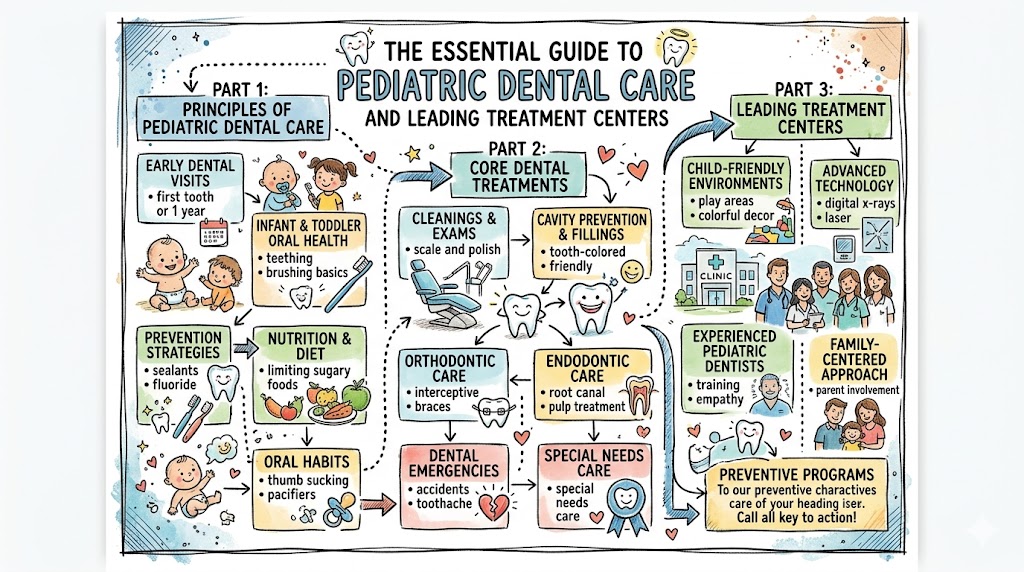
A child’s smile is one of the most heartwarming sights for a parent. It marks the milestones of growth, from the first tooth peeking through the gums to the milestone of losing that first baby tooth. However, alongside the joy of these early years comes the responsibility of maintaining that oral health. Many parents find themselves worried when they notice a sudden cavity, complain of tooth pain, or simply feel unsure about when the right time for a first visit really is.If you are currently searching for guidance, know that you are not alone. Oral health is a cornerstone of overall childhood development, affecting everything from nutrition and speech to self-esteem. Early, proactive dental care is not just about fixing problems—it is about preventing them before they start, ensuring that your child develops a positive association with dental visits rather than a fearful one.Specialized pediatric dental hospitals are designed specifically to bridge this gap. Unlike general dental clinics, these facilities are built with a deep understanding of child psychology, development, and the unique clinical needs of young mouths. They use child-friendly technology, calming communication techniques, and specialized anesthesia to ensure that every experience is as gentle and stress-free as possible.At BESTDENTALHOSPITALS, we are dedicated to helping parents navigate this important health journey.
WHAT IS PEDIATRIC DENTISTRY?
Pediatric dentistry is a specialized branch of dentistry that focuses entirely on the oral health of infants, children, and teenagers. It is not just “dentistry for smaller people.” It is a field that requires an extra two to three years of specialized training beyond dental school, specifically focused on the physical, emotional, and psychological development of young patients.
The pediatric dentist’s role is two-fold: providing clinical care and acting as a guide. They must be experts in managing the rapid changes occurring in a child’s mouth, such as the transition from baby teeth to permanent teeth, while simultaneously being masters of “child management.” This means they use specific language, distraction techniques, and comfort measures to ensure that a child feels safe in the dental chair. By focusing on child-friendly treatment, these specialists transform dental visits from scary events into predictable, educational, and sometimes even fun experiences for your child.
COMMON DENTAL PROBLEMS IN CHILDREN
Even with the best intentions, children’s teeth are vulnerable to a variety of issues. Because their enamel is often thinner than that of adults, decay can progress quite quickly, making early intervention essential.
- Cavities and Tooth Decay: The most common issue, usually caused by a combination of sugar consumption and inadequate brushing.
- Gum Problems: Often overlooked, but gingivitis can occur in children if plaque is allowed to build up along the gum line.
- Thumb Sucking and Pacifier Effects: Prolonged habits can shift the position of teeth and impact the development of the jaw.
- Tooth Injuries: From falls or sports, chipped or knocked-out teeth are common emergencies that require immediate care.
- Misaligned Teeth: Crowding or crooked teeth are often identified early, allowing for timely orthodontic intervention.
For the parent, the most important takeaway is that almost all of these issues are either preventable or highly treatable when caught early by a specialist.
COMMON CHILD DENTAL PROBLEMS
| Condition | Common Symptoms | Treatment Type | Prevention |
| Cavities | Tooth pain | Fillings | Proper brushing |
| Gum problems | Swollen gums | Cleaning | Oral hygiene |
| Misaligned teeth | Crooked teeth | Orthodontics | Early monitoring |
| Tooth injury | Broken tooth | Dental repair | Safety measures |
| Sensitivity | Pain while eating | Protective treatment | Dental care |
WHY SPECIALIZED PEDIATRIC DENTAL HOSPITALS MATTER
When a child feels anxious, a standard dental office can feel overwhelming. Specialized pediatric dental hospitals are designed to mitigate this anxiety through a “child-first” design.
A Child-Friendly Environment
These hospitals often feature colorful treatment rooms, interactive displays, and staff who are specifically trained to engage with children at their level. This environment isn’t just for decoration; it is a clinical tool used to lower cortisol levels and build trust.
Expertise in Anxiety Management
What happens when a child is truly terrified? Specialized hospitals have the expertise to manage dental anxiety safely. This may involve behavioral techniques, parental presence in the operatory, or, for more complex needs, safe sedation options that allow the dentist to provide treatment without the child experiencing distress.
PREVENTIVE CHILD DENTAL CARE
Prevention is the single most effective way to save your child from the pain of dental procedures. It is the core philosophy of leading hospitals for pediatric dentistry.
- Brushing and Flossing: Teaching a child the right technique is a skill that lasts a lifetime. Parents should assist with brushing until the child is old enough to have the dexterity to do it effectively—usually around the age of seven or eight.
- Fluoride Treatments: These strengthen the enamel and make teeth more resistant to acid attacks from bacteria.
- Dental Sealants: These are thin, protective coatings applied to the chewing surfaces of the back teeth to seal out the food particles and plaque that cause cavities.
- Healthy Nutrition: Limiting sugary snacks and sticky candy is the best defense against decay.
PREVENTIVE PEDIATRIC DENTAL CARE
| Preventive Step | Benefit |
| Brushing twice daily | Reduce plaque |
| Fluoride treatment | Strengthen enamel |
| Dental sealants | Prevent cavities |
| Healthy diet | Protect teeth |
| Regular checkups | Early problem detection |
PEDIATRIC DENTAL PROCEDURES & TREATMENTS
When intervention is necessary, pediatric dental hospitals offer a range of solutions designed to be as minimally invasive as possible.
- Dental Fillings: Using modern, tooth-colored materials, these fillings blend perfectly with natural teeth.
- Pulp Therapy: If a cavity reaches the “nerve” of a baby tooth, pulp therapy can often save the tooth and prevent the need for an extraction.
- Crowns: In cases of severe decay, a small, durable crown can restore the tooth’s function until it falls out naturally.
- Emergency Care: Whether it’s a knocked-out tooth or severe infection, these hospitals are equipped with 24/7 protocols to handle urgent dental trauma.
MANAGING DENTAL FEAR & ANXIETY IN CHILDREN
Dental fear is real, but it is also manageable. At a pediatric dental hospital, the team follows the “Tell-Show-Do” technique. They tell the child what they are going to do using simple, friendly words, show them the tool (like a toothbrush or a mirror), and then do the action briefly. By keeping the experience predictable, they remove the fear of the unknown.
CHILD DENTAL ANXIETY MANAGEMENT
| Method | Purpose |
| Friendly communication | Reduce fear |
| Child-focused clinics | Improve comfort |
| Sedation options | Easier treatment |
| Parent reassurance | Emotional support |
| Positive reinforcement | Better cooperation |
HOW TO CHOOSE THE BEST PEDIATRIC DENTAL HOSPITAL
When searching for the right care, consider these essential factors:
- Certification: Ensure the dentists are board-certified in pediatric dentistry.
- Environment: Does the facility look and feel welcoming to a child?
- Emergency Protocols: Can they handle dental emergencies promptly?
- Technology: Look for centers that use low-radiation X-rays and modern, quick treatment methods.
- Communication: Do they take the time to explain things to both you and your child in a way that is kind and understandable?
REAL-LIFE PARENT & CHILD SCENARIOS
- The First Visit: A 2-year-old comes in for their first checkup. The dentist uses a “lap exam,” where the child sits on the parent’s lap, making the child feel secure. The visit ends with a sticker and a smile, setting the stage for a lifetime of positive dental visits.
- The Emergency: A child falls and chips a front tooth during sports. The parents take them to a pediatric dental hospital, where the tooth is restored seamlessly using a bonding procedure, avoiding long-term trauma to the child.
RECOVERY & AFTERCARE AFTER DENTAL PROCEDURES
After a procedure, the recovery care is just as important as the treatment itself. This often includes soft-food diets, avoiding hot or cold temperatures until anesthesia wears off, and reinforcing gentle brushing habits. Emotional reassurance from parents is the best “medicine” during this time.
FUTURE OF PEDIATRIC DENTISTRY
The future is brighter than ever. Laser dentistry is becoming more common, allowing for fillings to be placed without the sound or vibration of a traditional drill. AI-driven imaging is helping dentists identify decay at its very earliest stage, often before it even requires a filling.
FEATURES OF TOP PEDIATRIC DENTAL HOSPITALS
| Feature | Why It Matters |
| Pediatric specialists | Child-focused treatment |
| Sedation support | Safer procedures |
| Child-friendly atmosphere | Less anxiety |
| Preventive programs | Better oral health |
| Emergency services | Faster treatment |
FAQs
1. When should a child first visit the dentist?
By their first birthday or within six months of their first tooth appearing.
2. Why are baby teeth important?
They save space for permanent teeth and help with speech and eating.
3. How can I prevent cavities in children?
Limit sugar, brush twice daily, and visit the dentist regularly for fluoride treatments.
4. What if my child is afraid?
Choose a pediatric specialist who uses anxiety-reduction techniques and talk to your child positively about the visit.
5. Are pediatric dental procedures safe?
Yes, they are highly standardized and performed by experts trained to prioritize child safety.
6. Do baby teeth need fillings?
Yes, if they have a cavity, it must be treated to prevent pain and further infection.
7. What is dental sealant?
A thin, protective coating applied to back teeth to prevent food from getting stuck.
8. How often should we visit?
Every six months, unless your dentist recommends otherwise.
9. Can I stay with my child?
Yes, top hospitals encourage parents to be present to support their children.
10. What if a tooth gets knocked out?
Keep it moist (in milk or saliva) and get to an emergency dental hospital immediately.
11. Is fluoride safe?
In the controlled doses provided by a dentist, yes, it is the best way to prevent decay.
12. When will the baby teeth fall out?
Usually starting around age 6, but every child is different.
13. What is a “pulp” treatment?
It is essentially a gentle version of a root canal for a baby tooth, saving the tooth.
14. Are x-rays safe for kids?
Yes, modern digital x-rays use minimal radiation.
15. How do I choose a specialist?
Look for board-certified pediatric dentists and visit the clinic before scheduling a procedure to see how the staff interacts with children.
FINAL CONCLUSION
Your child’s oral health is a vital part of their overall growth and happiness. By choosing a leading hospital for pediatric dentistry, you are ensuring that your child’s smile is protected by experts who care deeply about their comfort and long-term health. These hospitals do more than just fix teeth—they foster positive habits that will serve your child well into adulthood.Remember that early, regular care is the most effective way to prevent discomfort and ensure that your child grows up loving their smile. Whether you are seeking preventive guidance or urgent treatment, the right pediatric dental team is there to support you. Every healthy smile starts with a gentle, professional hand; thank you for prioritizing your child’s oral health journey.