Overview
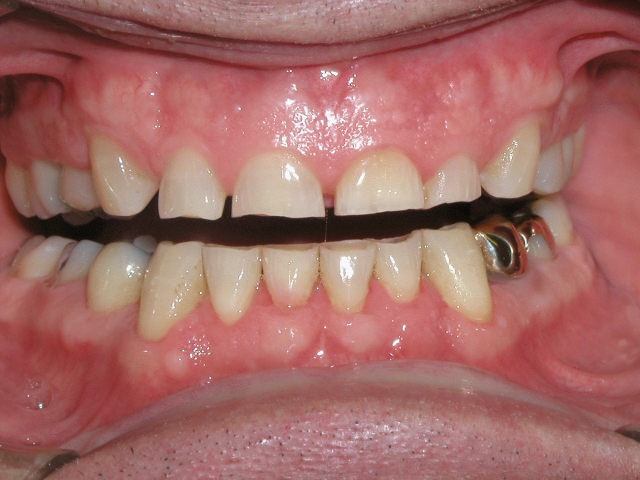
Worn teeth develop when the protective enamel is gradually lost, exposing the softer dentine beneath. As enamel thins, teeth often become sensitive, look shorter or yellower, and are more susceptible to decay and fracture. Some wear is a normal part of ageing, but rapid or heavy wear can shorten teeth noticeably and, in advanced cases, require crowns to restore and protect them.
Causes
Enamel can be worn away in several ways, often in combination:
- Attrition, the tooth-to-tooth wear caused by grinding and clenching
- Abrasion, from aggressive brushing or biting hard objects
- Erosion, the chemical wear from acidic foods, drinks, or reflux
Missing teeth can also overload the remaining ones and speed up wear.
Symptoms
Common signs include heightened sensitivity, flattened or shortened teeth, rough or chipped edges, and a yellowish colour as dentine becomes visible.
Prevention
Use a soft toothbrush with gentle pressure, limit acidic foods and drinks, and wear a night guard if you grind your teeth. Regular dental check-ups help monitor wear early.
Treatment
Management depends on the extent of the wear. Mild sensitivity may respond to fluoride and desensitising products, while more significant damage can be restored with bonding, fillings, or crowns. Addressing the underlying cause, such as grinding or acid exposure, is key to stopping further loss.