Overview
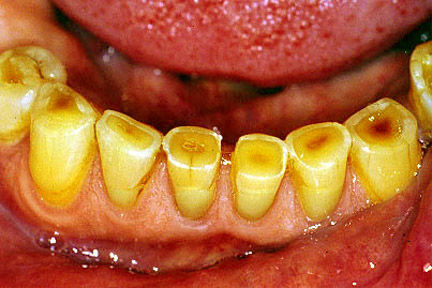
Attrition is the loss of tooth structure caused by mechanical forces from opposing teeth. It first affects the enamel on the biting and incisal surfaces and, if it continues unchecked, can wear down to the underlying dentin. The wear is a condition that can be treated, but it is also a sign of a larger problem—if the underlying cause is missed, restorations placed to repair the wear may fail.
Causes
Attrition comes from tooth-to-tooth contact, such as during chewing, and is closely connected to ageing. It is distinct from abrasion, in which tooth substance is worn away by outside forces like aggressive brushing.
- Tooth-to-tooth contact during chewing
- Grinding (bruxism) and clenching
- An uneven bite
- Natural wear over time
Symptoms
- Worn, flattened biting surfaces
- Gradual shortening of the teeth
- Sensitivity as dentin becomes exposed
Prevention
Managing grinding and clenching is central to slowing attrition. A dentist may recommend a nightguard for those who grind while sleeping and can correct an uneven bite to spread chewing forces more evenly.
Treatment
Treatment depends on how much tooth structure has been lost. Mild wear may simply be monitored, while more advanced cases can be restored with fillings, crowns or other restorations. Because attrition often reflects an ongoing habit, addressing the cause is essential to protect any repairs.