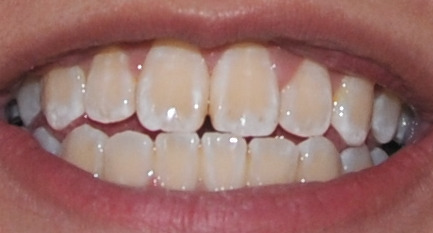
Overview
Tooth discolouration is a change in the colour of the teeth, making them look yellow, brown, grey or spotted. Dentists group it into three types: extrinsic staining, where the outer enamel is stained by food, drink or tobacco; intrinsic staining, where the inner tooth structure darkens; and age-related discolouration, a combination of both as dentine naturally yellows over time.
Causes
Discolouration has both external and internal causes.
- Tobacco, smoked or chewed
- Staining drinks such as coffee, tea and red wine
- Excess fluoride during tooth development
- Natural ageing of the dentine
- Injury or nerve damage to a tooth
- Certain medications
Symptoms
The main sign is a change in colour, ranging from general yellowing to white streaks, brown spots or a single darker tooth. The teeth may also simply look dull and lose their natural brightness.
Prevention
Many surface stains can be limited by avoiding tobacco, cutting down on staining drinks, and keeping up good brushing and flossing. Rinsing with water after coffee or tea and having regular professional cleanings helps keep teeth bright.
Treatment
Options depend on the type and severity of staining. Professional cleaning and bleaching can lift many surface and some internal stains, while bonding, veneers or crowns can cover discolouration that does not respond to whitening.