Overview
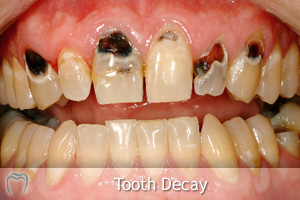
Tooth decay, also called dental caries or a cavity, is a gradual breakdown of the hard tissues of the tooth. It begins when acids produced by plaque bacteria dissolve minerals in the enamel, creating a small opening. Left untreated, the decay works its way through the enamel into the softer dentine and can eventually reach the pulp, where the nerves and blood vessels are, leading to pain, infection and tooth loss.
Causes
Decay develops when bacteria in plaque feed on sugars and release acids that erode the tooth surface.
- Frequent sugary or starchy foods and drinks
- Plaque and bacteria left on the teeth
- Poor brushing and flossing habits
- Low fluoride exposure
- Reduced saliva flow or dry mouth
Symptoms
Early decay often causes no symptoms and is picked up during a routine dental check-up. As it progresses you may notice toothache, sensitivity to hot, cold or sweet foods, visible pits or holes, and staining on the tooth.
Prevention
Decay is largely preventable. Brush twice a day with fluoride toothpaste, clean between the teeth daily, and limit how often you eat sugary foods. Fluoride treatments and pit-and-fissure sealants applied by a dentist add extra protection, and regular check-ups catch problems early.
Treatment
Treatment depends on how far the decay has advanced. Small cavities are cleaned and restored with a filling, while larger areas of damage may need a crown. If decay reaches the pulp, root canal treatment may be required, and a badly damaged tooth may occasionally need to be extracted.