Overview
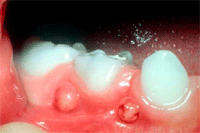
A tooth abscess is a collection of pus that forms when bacteria infect the inner pulp of a tooth or the surrounding tissues. It most often develops at the tip of the root or in the gum beside a tooth and is usually very painful. An abscess will not heal on its own and needs prompt dental care, because the infection can spread to nearby bone and soft tissue.
Causes
Most abscesses arise when bacteria reach the tooth’s pulp. Common routes include:
- Untreated tooth decay that penetrates the enamel and dentine
- A cracked, chipped, or broken tooth
- Advanced gum disease
- Injury to a tooth
- A previously treated tooth with a failed root canal
Symptoms
A severe, throbbing toothache is typical, often with pain on chewing, sensitivity to hot and cold, swelling of the gums or face, fever, foul breath or a bitter taste, and tender neck glands.
Prevention
Good daily brushing and flossing, limiting sugary foods, and regular dental check-ups help prevent the decay and gum problems that lead to abscesses.
Treatment
Treatment aims to clear the infection and preserve the tooth where possible. A dentist may drain the abscess, perform root canal treatment, or extract a tooth that cannot be saved. Antibiotics are sometimes prescribed when the infection has spread, alongside pain relief.