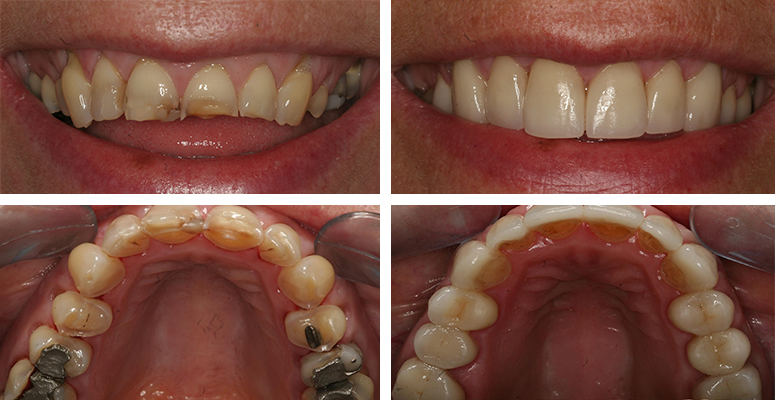
Overview
Tooth abrasion is the loss of tooth structure caused by mechanical forces other than normal chewing. It can affect the enamel, the cutting edges of teeth, and exposed root surfaces. Abrasion typically appears as notches or grooves near the gumline and may develop slowly over years or more quickly with harsh habits. People with receding gums or existing gum disease are especially vulnerable because the softer root surface wears away faster than enamel.
Causes
Abrasion rarely comes from a single source. Frequent contributors include:
- Brushing too hard, too fast, or with a stiff-bristled brush
- Using an overly abrasive toothpaste or poor technique
- Using the teeth as tools or biting hard objects
- Grinding and clenching
Acidic foods and drinks can worsen the problem by softening enamel so it wears even more easily, a related process called erosion.
Symptoms
Worn or notched areas near the gumline, exposed dentine, and heightened sensitivity to hot, cold, or sweet foods are common signs.
Prevention
Use a soft-bristled toothbrush with gentle pressure, limit acidic foods and drinks, and clean between teeth carefully with floss. Avoid using teeth to open packaging.
Treatment
Care depends on the severity of the wear. Sensitive teeth may be soothed with fluoride gels or rinses, while lost structure can be rebuilt with tooth-coloured fillings, glass ionomer materials, or, in advanced cases, crowns.