Overview
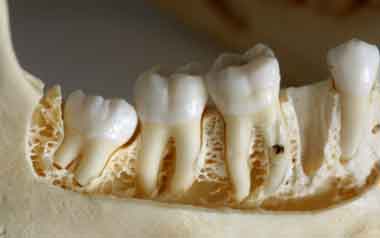
A tooth is described as impacted when it cannot break through the gum into its normal position because it is blocked by bone, soft tissue or a neighbouring tooth. Teeth normally emerge during infancy and again when the permanent teeth replace the baby teeth. When a tooth fails to emerge, or comes through only partially, it is impacted. The most commonly affected teeth are the wisdom teeth (the third molars), which are the last to emerge, usually between the ages of 17 and 21.
Causes
Impaction generally happens when there is not enough space or a clear path for the tooth to erupt. Contributing factors include:
- Insufficient room in the jaw
- Overcrowding of the teeth
- A tooth growing at an angle against its neighbour
- Overlying bone or gum tissue blocking eruption
Symptoms
Many impacted teeth cause redness and swelling of the gum around them, along with jaw ache or headache. There may be bad breath, occasional difficulty opening the mouth, crowded or crooked teeth, or a visible gap where the tooth never appeared.
Treatment
Treatment depends on the position of the tooth and whether it is causing problems. Options guided by a dentist range from monitoring to removing the tooth surgically, using antibiotics to control infection, or repositioning the tooth with braces or other orthodontic treatment.