Overview
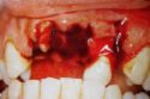
Dental injury covers any trauma to the teeth, gums, lips or jaw. Injuries range from a minor enamel chip to a fully knocked-out tooth or a fractured jaw. Anyone with significant head, neck or facial trauma—especially with bleeding, dizziness, memory loss, severe headache or a suspected fracture—should be assessed at a hospital emergency department, where oral surgeons can manage jaw fractures and complex repairs.
Causes
Most dental trauma results from a sudden physical impact.
- Falls and accidents
- Contact and ball sports
- Road or bicycle accidents
- Direct blows to the mouth
- Biting on hard objects
Symptoms
Sometimes only a small chip breaks off the edge of a tooth; other times the tooth cracks or breaks near the gum line. A small chip may cause no pain, but a crack reaching the soft inner pulp can be painful, and the gum will bleed if a tooth is displaced or lost.
Treatment
Soft-tissue injuries may need only a cold compress and gentle pressure with clean gauze to control bleeding; deep cuts may require stitches. For a broken or knocked-out tooth, rinse the mouth and see a dentist quickly—the sooner care is given, the better the chance of saving the tooth. Keep any knocked-out tooth moist and hold it by the crown, not the root. Depending on the damage, a dentist may smooth a rough edge, place a filling or crown, or in some cases restore the tooth. A fractured jaw must be repositioned and stabilised while it heals.