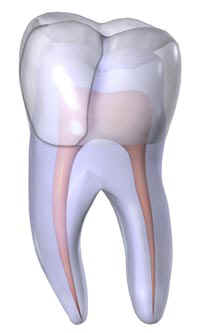
Overview
A cracked tooth has a fracture that may run through the enamel and deeper layers. Some cracks are too small to appear on X-rays or sit below the gum line—often called cracked tooth syndrome. It is most common in the lower back teeth, which absorb much of the force of chewing.
Causes
Cracks usually develop where a tooth is under repeated or uneven stress.
- Grinding or clenching the teeth
- A bite that loads too much force on one tooth
- Chewing hard objects like ice or pens
- Large fillings that weaken the remaining tooth
Symptoms
- The tooth may hurt on biting or chewing
- Sensitivity or pain that can be mild or intense
- Pain only with certain foods or a particular bite
- If the crack grows, a piece may break off and infection can follow
Prevention
If you grind or clench, ask your dentist about treatment, since this raises the risk of cracking. Avoid chewing ice, hard sweets or pens, consider a nightguard if you grind while sleeping, and wear a mouthguard for contact sports.
Treatment
Treatment depends on the type, location and extent of the crack. Shallow craze lines in the enamel are harmless and need no treatment. A fractured cusp is often restored with a crown. A crack reaching the pulp may need root canal treatment followed by a crown to hold the tooth together. A split tooth or a vertical root fracture usually cannot be saved and may require extraction.