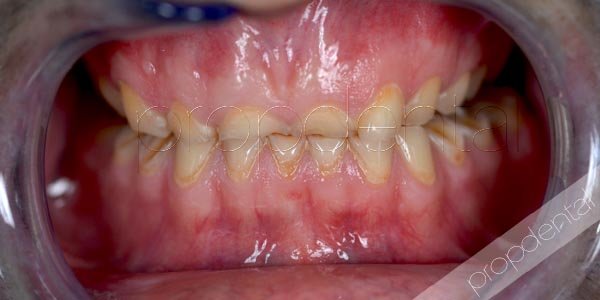
Overview
Bruxism is the grinding of the teeth, usually accompanied by clenching of the jaw. It is a parafunctional habit that most people experience at some point, often without being aware of it because it commonly happens during sleep. Over time the repeated force can wear down the teeth and place strain on the jaw muscles and joints.
Causes
In adults bruxism is most often linked to psychological factors.
- Emotional stress, tension and anxiety
- Suppressed anger or frustration
- An aggressive, competitive or hyperactive personality type
- Sleep disturbances
- A misaligned bite
Symptoms
Many people first learn of grinding from a sleeping partner or from a dentist who spots worn teeth. Common signs include flattened or chipped teeth, tooth sensitivity, a sore jaw, headaches around the temples, earache and disturbed sleep.
Prevention
Because stress is a major trigger, relaxation techniques and anxiety management can reduce grinding in people prone to it. Limiting caffeine and alcohol, particularly in the evening, and keeping good sleep habits also help.
Treatment
Treatment focuses on protecting the teeth and easing discomfort. A custom night guard or splint worn during sleep cushions the teeth and relieves the jaw. Applying warmth to sore muscles, avoiding very hard foods, staying hydrated and gentle jaw-stretching exercises can further reduce symptoms.