Overview
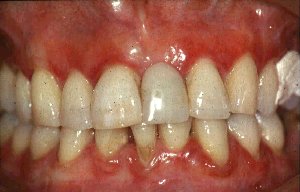
Gingivitis is inflammation of the gums surrounding the teeth and the mildest, most common form of gum disease. The usual type is plaque-induced gingivitis, a response to the bacterial biofilm that clings to tooth surfaces. It is non-destructive and reversible, but left untreated it can progress to periodontitis, which damages the tissues and bone that support the teeth.
Causes
Gingivitis is driven by the long-term effects of plaque—a sticky film of bacteria, mucus and food debris on the teeth. If plaque is not removed it hardens into tartar, which traps bacteria at the base of the tooth.
- Poor dental hygiene
- Plaque and tartar build-up
- Pregnancy and hormonal changes
- Uncontrolled diabetes
- General illness
Symptoms
- Swelling, redness and tenderness of the gums
- Bleeding gums, especially when brushing
- Bad breath
- Gums losing their normal structure and colour
Prevention
Good daily brushing and flossing, regular dental check-ups and cleanings, and managing underlying conditions all help prevent gingivitis.
Treatment
The main goal is to reduce inflammation. A dentist or hygienist thoroughly cleans the teeth to remove plaque and tartar. Careful oral hygiene afterwards is essential, and an antibacterial mouth rinse may be advised alongside frequent, careful brushing and flossing. With good care, healthy gums usually return.