Overview
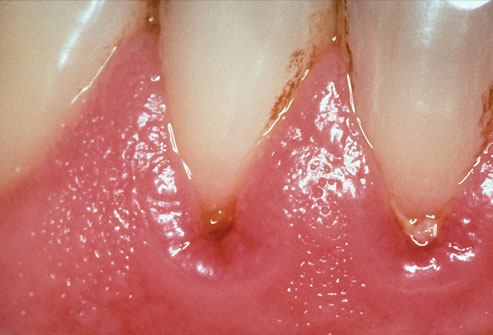
Bleeding gums are one of the most common dental complaints and are frequently the first noticeable sign that the gums are inflamed. In most cases the cause is a build-up of plaque at the gum line, which irritates the surrounding tissue. Occasionally, persistent bleeding that does not settle with better oral care can point to an underlying medical issue, such as a bleeding or platelet disorder, so ongoing bleeding is worth discussing with a professional.
Causes
The leading cause is inadequate plaque removal, which leads to gingivitis. Other contributing factors include:
- Plaque build-up along the gum line
- Brushing too hard or with a stiff brush
- Improper or irregular flossing
- Hormonal changes during pregnancy
- Ill-fitting dentures
- Bleeding or platelet disorders
Symptoms
Bleeding is usually noticed during brushing or flossing and often accompanies red, swollen or tender gums. Bad breath and gum recession may also develop as inflammation progresses.
Prevention
Good daily oral hygiene is the single most effective safeguard. Brush gently twice a day with a soft brush, floss carefully, and keep up with routine dental check-ups and cleanings.
Treatment
Most bleeding gums improve with better brushing and flossing technique and professional cleaning to remove plaque and tartar. If bleeding persists despite good hygiene, a dentist can check for gum disease or other underlying causes and advise on further care.