Overview
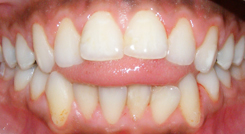
Tongue thrusting is an orofacial habit in which the tongue pushes forward against or between the front teeth during swallowing, speech, or when the mouth is at rest. In normal swallowing the tongue rests against the roof of the mouth, but a person who thrusts places it between the teeth. Because swallowing happens many times each day, the repeated light pressure of the tongue can gradually move teeth out of position and influence how the jaws grow, particularly in children.
Causes
Tongue thrusting often begins as a normal infant swallowing pattern that is never outgrown. Contributing factors include:
- Prolonged thumb sucking or nail biting
- Chronic mouth breathing, sometimes from allergies
- Enlarged tonsils or adenoids
- Premature loss of baby teeth
- Weak or poorly coordinated oral muscles
- Hereditary tendencies in jaw and tongue posture
Symptoms
Signs can be subtle, but common ones include an open bite where the front teeth do not touch, flared or protruding front teeth, a lisp or trouble with certain sounds, and lips that stay parted at rest.
Treatment
Management usually combines orofacial myofunctional therapy, exercises that retrain the lips, tongue, and jaw to swallow and speak correctly. Dental appliances may discourage the habit or help guide palate development, and orthodontic treatment can realign teeth and correct the bite once the habit is controlled.