Introduction
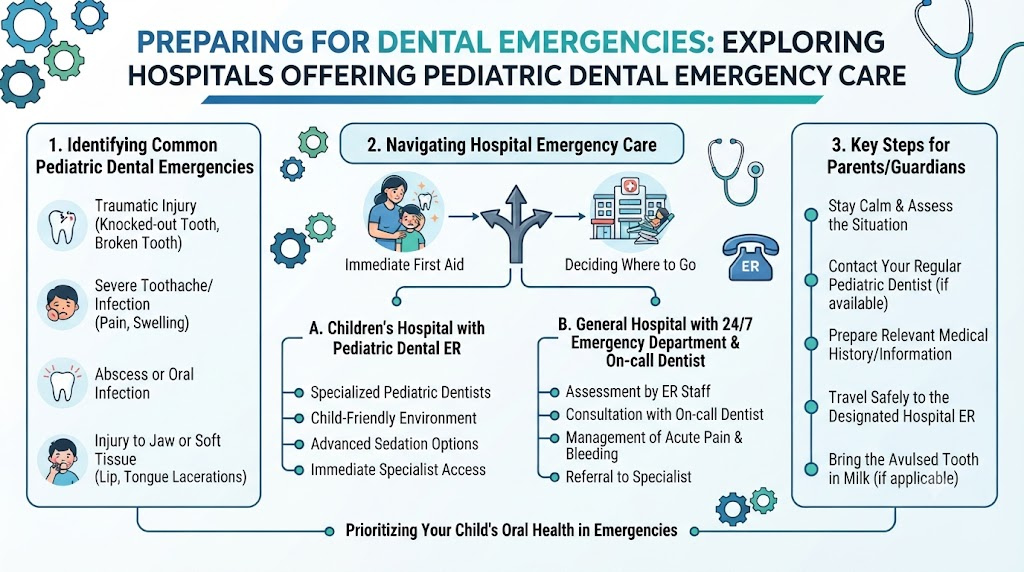
Children are naturally active, exploring their surroundings through play, sports, and daily adventures. However, unexpected bumps, falls, and sudden dental pain can happen when least expected. When a child experiences oral trauma or acute tooth discomfort, knowing where to turn for help is vital for parents and caregivers.This educational guide explores common pediatric dental emergencies, features of advanced dental hospitals, step-by-step guidance for parents, and how to select the right facility. For reliable educational resources, hospital comparisons, and patient guidance, readers can explore BESTDENTALHOSPITALS.
What Is Pediatric Dental Emergency Care?
Pediatric dental emergency care is a specialized branch of emergency dentistry focused on diagnosing and treating acute oral injuries, severe infections, and sudden tooth pain in infants, children, and adolescents.Unlike routine dental visits designed for check-ups and cleanings, emergency care addresses unexpected crises that require immediate clinical evaluation. Rapid assessment by trained professionals helps determine the exact extent of tissue or tooth damage. The role of pediatric dentists in emergency care is to provide gentle, precise treatments that alleviate distress while safeguarding the child’s long-term oral development.
Common Pediatric Dental Emergencies
Recognizing the signs of a true dental emergency helps parents take timely and appropriate action.
Severe Toothache
Persistent, intense pain in or around a tooth, often caused by deep decay or inflammation of the dental pulp.
Knocked-Out Tooth
A traumatic displacement where an entire tooth—whether baby or permanent—is forced completely out of its socket.
Chipped or Broken Tooth
Fractures resulting from impacts, sports accidents, or biting down on hard objects, which can expose sensitive inner layers.
Dental Abscess
A painful, pus-filled infection originating at the root of a tooth or between the gum and a tooth, requiring urgent medical management.
Oral Bleeding
Active bleeding from the gums, tongue, lips, or inner cheeks due to trauma or lacerations.
Soft Tissue Injuries
Cuts, punctures, or tears to the lips, tongue, or cheeks that may require cleaning and suturing.
Loose or Displaced Tooth
A tooth that has been pushed inward, outward, or sideways out of its normal alignment following an impact.
Facial Swelling
Swelling around the jaw or cheeks, which often indicates an advancing dental infection that demands prompt evaluation.
Dental Trauma from Sports or Falls
Accidents during recreational activities that result in multiple broken teeth or structural oral injuries.
Pediatric Dental Emergency Services Comparison Table
| Emergency Service | Purpose | Patient Benefit |
| Emergency Dental Examination | Identify urgent problems | Quick diagnosis |
| Digital Dental X-rays | Evaluate injuries | Accurate treatment planning |
| Pain Management | Relieve discomfort | Improved comfort |
| Emergency Tooth Repair | Restore damaged teeth | Preserve oral function |
| Infection Treatment | Control dental infections | Reduce complications |
| Follow-Up Care | Monitor healing | Better recovery |
Services Offered by Specialized Hospitals
Hospitals equipped for pediatric dental emergencies provide comprehensive medical and dental infrastructure tailored to young patients.
- 24/7 Emergency Dental Assessment: Around-the-clock intake availability for severe oral trauma where applicable.
- Pediatric Dental Specialists: Experts trained specifically in managing children’s behavioral and clinical dental needs.
- Digital Dental Imaging: Low-radiation diagnostic tools to capture clear pictures of jaw structures and tooth roots.
- Dental Trauma Management: Specialized protocols for realigning, stabilizing, or treating injured teeth.
- Emergency Tooth Restoration: Restorative procedures using advanced composite materials to repair fractured crowns.
- Sedation Options: Safe pharmacological management options, when clinically appropriate, to reduce anxiety during complex procedures.
- Oral Surgery Support: Immediate surgical backup for severe facial trauma or complex extractions.
- Infection Management: Administration of targeted therapies to control abscesses and spreading bacterial infections.
- Follow-Up Dental Care: Ongoing monitoring protocols to ensure proper healing over time.
Advanced Technologies Used
Modern dental hospitals utilize specialized technology designed to make emergency care efficient and comfortable for children.
- Digital Dental X-rays: Provide instant images with minimal radiation exposure compared to older film methods.
- 3D Dental Imaging: Advanced cone-beam technology for detailed views of complex jaw fractures or impacted teeth where available.
- Intraoral Cameras: Small, pen-sized wands that display high-resolution images of the child’s teeth on a screen.
- Modern Pediatric Dental Instruments: Scaled-down equipment designed to fit comfortably in a child’s mouth.
- Child-Friendly Pain Management Techniques: Specialized distraction and local numbing methods to minimize discomfort.
- Sedation and Monitoring Equipment: Advanced safety monitoring tools used when procedural sedation is clinically required.
How to Choose the Right Hospital
Selecting an appropriate hospital for a child’s dental emergency involves evaluating several key institutional features.
- Availability of Pediatric Dental Specialists: Presence of clinicians experienced in treating children’s unique dental anatomy.
- Emergency Care Services: Dedicated pathways or integrated emergency departments for acute trauma.
- Child-Friendly Facilities: Welcoming waiting areas and treatment rooms designed to reduce pediatric anxiety.
- Advanced Diagnostic Technology: Access to rapid digital imaging and modern dental equipment.
- Experienced Emergency Teams: Skilled staff capable of handling pediatric medical and dental emergencies smoothly.
- Infection Prevention Standards: Rigorous sterilization and hygiene protocols protecting young patients.
- Follow-up Care Programs: Structured outpatient continuity plans to monitor long-term recovery.
Hospital Selection Checklist
| Feature | Why It Matters |
| Pediatric Dental Specialists | Expertise in children’s dental care |
| Emergency Services | Prompt treatment |
| Advanced Imaging | Accurate diagnosis |
| Child-Friendly Environment | Reduced anxiety |
| Infection Control | Patient safety |
| Follow-Up Care | Better healing and monitoring |
What Parents Should Do Before Reaching the Hospital
Taking immediate, calm steps at home can significantly influence the outcome of a dental emergency.
- Stay Calm: Keeping a composed demeanor reassures an anxious, injured child.
- Control Bleeding: Apply gentle, steady pressure to bleeding areas using a clean gauze pad or cloth.
- Protect the Injured Tooth: Avoid touching the root of any displaced tooth and handle crowns gently.
- Handle a Knocked-Out Permanent Tooth Carefully: Hold it only by the crown (top part), rinse gently with water if dirty, and try to place it back in the socket or store it in milk. Never scrub the root.
- Avoid Giving Hard Foods: Stick to soft foods or liquids to prevent further stress on injured teeth.
- Bring Any Broken Tooth Fragments: Store fragments in a clean container or milk and bring them to the hospital.
- Seek Immediate Professional Care: Contact the facility and head in promptly for professional evaluation.
Recovery After Emergency Dental Treatment
Ensuring a smooth recovery once treatment is complete requires consistent home care and monitoring.
- Pain Management: Administer pediatrician-recommended pain relief medications according to exact clinical guidelines.
- Oral Hygiene Instructions: Follow specific brushing and cleaning guidance provided by the dental team, avoiding raw surgical sites.
- Soft Diet Recommendations: Serve cool, soft foods such as yogurt, applesauce, and smoothies during initial healing.
- Activity Precautions: Restrict rough play, contact sports, or vigorous physical activities until cleared by the dentist.
- Follow-up Appointments: Attend all scheduled return visits to check on tissue healing and tooth stability.
- Monitoring Healing: Watch for any signs of swelling, persistent pain, or discoloration in neighboring teeth.
Possible Complications If Treatment Is Delayed
Postponing professional care during a dental emergency can lead to avoidable health complications.
- Tooth Loss: Untreated trauma or severe decay can result in the premature loss of a tooth.
- Infection: Bacteria can spread from an abscess into surrounding facial tissues or the bloodstream.
- Increased Pain: Unmanaged nerve exposure or pressure escalates discomfort significantly.
- Damage to Surrounding Teeth: Trauma left unchecked can compromise the stability of adjacent healthy teeth.
- Difficulty Eating: Pain and structural damage make proper nutrition and chewing difficult for the child.
- Long-Term Oral Health Problems: Damage to baby teeth can sometimes negatively affect the eruption and health of underlying permanent teeth.
How BESTDENTALHOSPITALS Helps Patients
Finding dependable resources during an urgent health situation is essential for families. Platforms like BESTDENTALHOSPITALS support parents by offering:
- Hospital Discovery: Helping users locate nearby hospitals and clinics offering pediatric emergency dental services.
- Pediatric Dental Education: Providing clear, accessible information on children’s oral health and trauma management.
- Emergency Dental Awareness: Raising community understanding of how to respond during sudden dental accidents.
- Hospital Comparison Resources: Offering structured insights to evaluate facility capabilities and child-friendly features.
- Patient Guidance: Equipping families with actionable questions to ask healthcare providers.
- Informed Healthcare Decisions: Supporting parents in making confident choices regarding their child’s urgent dental needs.
Common Mistakes Parents Mistakes
- Ignoring Dental Injuries Because Baby Teeth Are Involved: Assuming primary teeth do not matter because they will fall out naturally.
- Delaying Emergency Dental Evaluation: Waiting days to see if pain subsides on its own.
- Mishandling a Knocked-Out Tooth: Scrubbing the root clean or handling it improperly, which destroys delicate periodontal cells.
- Waiting Until Swelling Becomes Severe: Delaying care until an infection spreads across the jaw.
- Missing Follow-up Appointments: Skipping check-ins that ensure the tooth is healing correctly.
Practical Solutions: Treat all dental injuries seriously, handle knocked-out teeth by the crown only, and maintain strict adherence to post-treatment follow-up schedules.
Common Myths vs Facts
| Myth | Fact |
| Baby teeth don’t need emergency treatment | Injuries to baby teeth can affect oral health and developing permanent teeth |
| Every chipped tooth is a minor problem | Some fractures require urgent dental evaluation |
| Dental emergencies can always wait until the next day | Certain injuries benefit from immediate treatment |
| Children recover from every dental injury without follow-up | Ongoing monitoring may be necessary depending on the injury |
Real-Life Educational Scenarios
Scenario 1: Prompt Treatment After a Playground Fall
While playing at a local park, a young child trips and chips a front tooth, experiencing sharp sensitivity. The parents remain calm, clean the area gently, retrieve the small tooth fragment, and bring the child to a hospital dental center where a pediatric dentist restores the tooth smoothly.
Scenario 2: Saving a Knocked-Out Permanent Tooth
An adolescent participating in sports suffers a displaced, knocked-out permanent incisor. The coach and parents quickly locate the tooth, rinse it gently without touching the root, place it in a container of milk, and arrive at an emergency dental hospital within the critical window, successfully saving the natural tooth structure.
Scenario 3: Early Infection Treatment
A child develops severe tooth pain and mild facial swelling around a decayed molar. Recognizing the warning signs of an impending abscess, the parents seek prompt hospital care. The pediatric dental team administers pain relief and targeted infection management, resolving the issue before complications arise.
Scenario 4: Structured Follow-Up Care
Following a soft tissue laceration and minor tooth displacement from a bicycle accident, a child undergoes emergency stabilization. The family attends all recommended follow-up appointments, ensuring the dental team can monitor root development and gum healing successfully over the subsequent months.
FAQs (15 Questions)
1. What is a pediatric dental emergency?
A pediatric dental emergency involves acute oral trauma, severe toothaches, knocked-out teeth, or spreading dental infections requiring immediate attention.
2. When should a child see an emergency dentist?
Seek immediate care if the child experiences severe pain, uncontrolled bleeding, facial swelling, or a knocked-out permanent tooth.
3. What should I do if my child’s tooth is knocked out?
Handle it only by the crown, avoid scrubbing the root, place it back in the socket if possible or store it in milk, and head to a dental hospital immediately.
4. Can baby teeth require emergency treatment?
Yes, severe pain, abscesses, or traumatic injuries to baby teeth require professional evaluation to protect underlying permanent teeth and overall health.
5. How are dental injuries diagnosed?
Clinicians use physical examinations, patient history reviews, and digital dental X-rays to assess the extent of the trauma.
6. What treatments are commonly provided?
Treatments include pain management, tooth re-implantation, composite restorations, abscess drainage, and stabilization splints.
7. Is sedation sometimes used for children?
Yes, safe pharmacological sedation or nitrous oxide may be used when clinically appropriate to help anxious or young children undergo necessary emergency treatment.
8. How long does emergency treatment take?
Duration varies based on the injury, ranging from a brief evaluation and dressing to more involved restorative procedures lasting an hour or more.
9. What happens after treatment?
Patients receive detailed home care instructions, pain management guidelines, dietary recommendations, and scheduled follow-up appointments.
10. Can delayed treatment affect permanent teeth?
Yes, untreated infections or trauma to baby teeth can damage the developing permanent teeth waiting underneath the gum line.
11. How can dental injuries be prevented?
Using custom-fitted mouthguards during sports, childproofing living spaces, and maintaining regular dental check-ups help reduce injury risks.
12. What should every parent know about dental trauma?
Parents should know how to handle a knocked-out tooth, control bleeding, and access emergency pediatric dental services quickly.
13. How do I choose the right hospital?
Look for facilities featuring pediatric dental specialists, child-friendly environments, advanced diagnostic imaging, and 24/7 emergency readiness.
14. What should I bring to an emergency dental visit?
Bring insurance information, any knocked-out teeth or fragments stored in milk, a list of current medications, and a calm, reassuring attitude.
15. How does BESTDENTALHOSPITALS help families find hospitals offering pediatric dental emergency care?
BESTDENTALHOSPITALS provides reliable educational resources, hospital comparison tools, and guidance to help families navigate children’s dental emergencies effectively.
Final Thoughts
Pediatric dental emergencies can be stressful for both children and parents, but knowing how to respond and where to find specialized care makes all the difference. Hospitals offering pediatric dental emergency services provide the expertise, child-friendly environments, and advanced technology needed to handle acute oral trauma safely. Seeking prompt evaluation and adhering to follow-up care plans ensures that young patients maintain healthy, beautiful smiles as they grow.