Introduction
The growing demand for cosmetic dental treatments reflects an increasing focus on oral aesthetics, self-confidence, and overall health. When considering dental interventions to enhance your smile, selecting the right healthcare facility is a crucial step toward ensuring safety, precision, and reliable clinical oversight. Researching hospitals with best cosmetic dental surgeons helps patients understand what distinguishes well-equipped medical and dental institutions from standard clinics.Successful aesthetic dental outcomes rely heavily on the expertise of qualified dental specialists, accredited facility standards, and comprehensive postoperative care. Establishing realistic expectations prior to treatment is equally essential for a satisfying patient experience. For reliable resources, hospital comparisons, and educational guidance, patients can explore BESTDENTALHOSPITALS, a platform that provides information about dental services, specialists, procedures, and treatment options.
What Is Cosmetic Dentistry?
Cosmetic dentistry is a specialized branch of oral healthcare focused on improving the appearance of teeth, gums, and overall smile aesthetics. While general dentistry primarily diagnoses, prevents, and treats oral diseases, cosmetic dentistry emphasizes visual enhancements while maintaining or restoring optimal structural function.
The scope of cosmetic dentistry covers several key dimensions:
- Smile Appearance: Enhancing the overall harmony and balance of the smile line.
- Tooth Shape: Correcting worn, chipped, or uneven tooth structures.
- Tooth Color: Whitening discolored or stained teeth to achieve a brighter look.
- Alignment: Addressing minor gaps or crowded tooth arrangements.
- Gum Aesthetics: Sculpting uneven gum lines to create an optimal tooth-to-gum proportion.
Role of Cosmetic Dental Surgeons
A cosmetic dental surgeon helps patients navigate complex aesthetic and restorative treatments. Their clinical role involves:
- Smile Enhancement Planning: Designing comprehensive, personalized treatment sequences tailored to individual facial anatomy.
- Aesthetic Dental Procedures: Executing delicate procedures such as veneers, crowns, and implant placements with high precision.
- Restorative Treatments: Repairing damaged or missing teeth while ensuring structural integrity and natural appearance.
- Tooth Appearance Improvement: Transforming discolored, misshapen, or flawed teeth safely.
The expertise of these professionals relies on advanced dental qualifications, extensive hands-on experience, sophisticated treatment planning skills, and a deep understanding of facial aesthetics.
Common Cosmetic Dental Procedures
Teeth Whitening
- Purpose: Brightening natural tooth enamel by removing stains caused by food, beverages, and aging.
- Suitable Cases: Mild to moderate tooth discoloration.
- Professional Treatment Benefits: Controlled, safe application supervised by dental professionals using high-grade whitening agents.
Dental Veneers
- Purpose: Correcting tooth appearance through ultra-thin shells custom-crafted to cover the front surface of teeth.
- Chipped or Stained Teeth: Effectively masking deep discoloration, minor chips, and slight misalignments.
- Smile Enhancement: Creating a uniform, aesthetically balanced smile line.
Dental Implants
- Purpose: Replacing missing teeth with permanent titanium or zirconia fixtures anchored into the jawbone.
- Functional and Aesthetic Restoration: Restoring both full chewing capability and natural smile appearance without impacting adjacent teeth.
Dental Crowns
- Purpose: Restoring severely damaged, decayed, or weakened teeth by encasing the visible portion of the tooth.
- Strength and Appearance Improvement: Providing robust structural support while mimicking the natural translucency of surrounding teeth.
Smile Makeover
- Purpose: Combining multiple cosmetic treatments into a unified, step-by-step plan.
- Personalized Planning: Tailored to address tooth color, alignment, missing elements, and bite proportions simultaneously.
Dental Bonding
- Purpose: Performing minor cosmetic corrections using tooth-colored composite resin.
- Tooth Shape Improvement: Quickly repairing small chips, closing minor gaps, or reshaping irregular edges.
Cosmetic Dental Procedure Comparison Table
| Procedure | Purpose | Common Uses |
| Teeth Whitening | Improve tooth brightness | Tooth discoloration from food, drinks, or aging |
| Veneers | Improve tooth appearance | Chips, persistent stains, and minor shape correction |
| Dental Implants | Replace missing teeth | Permanent restoration following single or multiple tooth loss |
| Crowns | Restore damaged teeth | Strengthening weak, fractured, or heavily decayed teeth |
| Smile Makeover | Complete smile improvement | Addressing multiple cosmetic concerns through combined treatments |
Features of Hospitals with Experienced Cosmetic Dental Surgeons
Qualified Dental Specialists
Top-tier dental hospitals house multidisciplinary teams, including:
- Cosmetic Dentists: Focused on aesthetic restorations and smile transformations.
- Prosthodontists: Specialists in replacing missing teeth and complex oral reconstructions.
- Oral Surgeons: Experts in surgical extractions and implant placements.
- Implant Specialists: Dedicated to osseointegration and permanent tooth replacements.
Advanced Dental Technology
Advanced dental facilities may use digital imaging, 3D technology, and modern treatment tools to support accurate diagnosis and personalized dental care. Key technologies include:
- Digital X-rays: Providing high-resolution diagnostic imaging with minimal radiation exposure.
- 3D Dental Imaging (CBCT): Mapping bone structure and nerve pathways for precise implant placement.
- Intraoral Scanners: Replacing messy traditional molds with fast, accurate digital impressions.
- Digital Smile Design: Allowing patients to preview their expected smile transformation before treatment begins.
- Laser Dentistry: Enabling precise soft-tissue contouring and faster healing times.
Comprehensive Dental Services
Providing seamless care across all sub-specialties:
- Cosmetic dentistry
- Restorative dentistry
- Implant dentistry
- Orthodontics
- Gum care (periodontics)
Patient-Centered Approach
- Detailed Consultations: Listening closely to patient goals and concerns.
- Treatment Explanations: Breaking down procedural steps in clear, understandable language.
- Personalized Plans: Designing custom treatment roadmaps based on oral health status.
- Follow-up Support: Ensuring ongoing monitoring after procedures are completed.
How to Choose the Right Cosmetic Dental Hospital
- Dentist Expertise: Review qualifications, years of specialized practice, and portfolios of past aesthetic work.
- Hospital Facilities: Evaluate operating room cleanliness, modern dental equipment availability, and sterilization protocols.
- Treatment Planning: Ensure thorough clinical evaluations, digital imaging assessments, and transparent discussions of all available treatment options.
Dental Hospital Selection Checklist
| Factor | Why It Matters |
| Experienced Cosmetic Dentists | Ensures expert artistic judgment and precise clinical execution. |
| Advanced Technology | Facilitates accurate digital planning, comfortable impressions, and modern procedures. |
| Range of Treatments | Allows seamless coordination of multidisciplinary dental care under one roof. |
| Safety Standards | Guarantees strict sterilization, infection control, and patient safety protocols. |
| Patient Reviews | Offers qualitative insights into patient comfort, staff attentiveness, and satisfaction. |
| Aftercare Support | Provides structured maintenance, checkups, and guidance for long-term dental health. |
Benefits of Choosing Specialized Cosmetic Dental Hospitals
- Access to experienced dental professionals across multiple specialties.
- Comprehensive treatment options tailored to complex needs.
- Advanced technology support ensuring precise diagnostics and execution.
- Better treatment coordination between restorative, surgical, and aesthetic phases.
- Personalized smile planning designed to harmonize with facial features.
Preparing for Cosmetic Dental Treatment
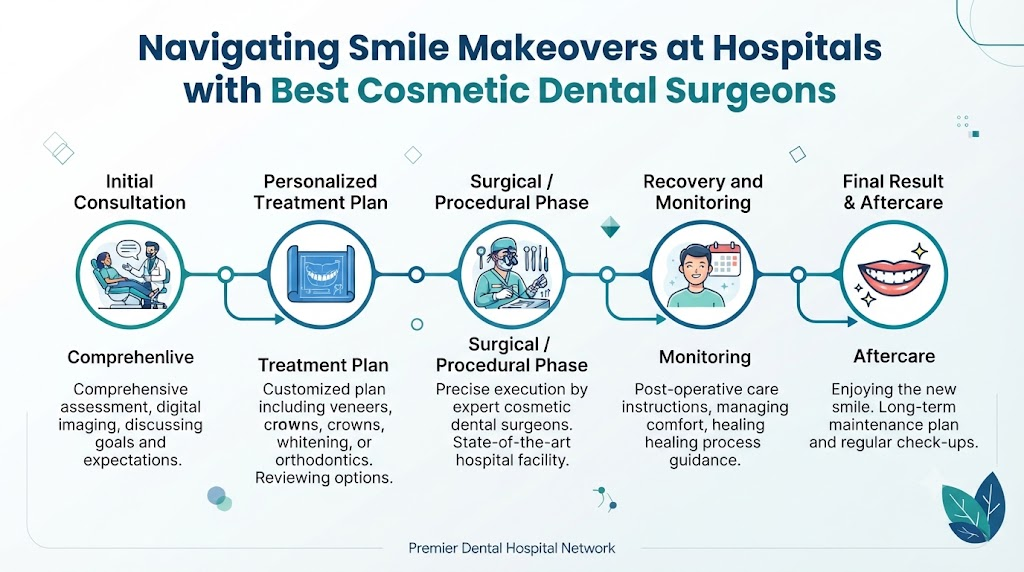
- Dental Consultation: Discussing aesthetic goals and reviewing oral health history.
- Oral Health Evaluation: Checking for underlying decay, gum disease, or bite misalignment that must be treated first.
- Treatment Discussion: Understanding procedural timelines, expected results, and alternative options.
- Understanding Costs: Reviewing transparent treatment estimates and financial planning.
- Discussing Expectations: Ensuring a realistic alignment between desired outcomes and anatomical possibilities.
Recovery and Aftercare
- Maintaining Oral Hygiene: Practicing diligent daily brushing, flossing, and using recommended mouth rinses.
- Following Dentist Instructions: Adhering strictly to postoperative guidelines provided by the clinical team.
- Regular Dental Checkups: Scheduling routine professional cleanings and examinations every six months.
- Protecting Dental Restorations: Avoiding habits like teeth grinding or biting hard objects that could damage veneers or crowns.
- Healthy Lifestyle Habits: Limiting stain-causing foods and beverages to preserve whitening and restorative results.
Common Mistakes Patients Should Avoid
- Choosing Only Based on Low Cost: Prioritizing the cheapest price over facility safety, sterilization standards, and dentist expertise.
- Ignoring Dentist Qualifications: Failing to verify board certifications or specialized training in cosmetic dentistry.
- Expecting Unrealistic Results: Believing cosmetic procedures can completely alter natural facial structure beyond anatomical limits.
- Skipping Dental Evaluation: Proceeding with cosmetic work without addressing underlying gum disease or tooth decay.
- Avoiding Follow-up Care: Neglecting scheduled maintenance visits and professional checkups.
Myths vs Facts Table
| Myth | Fact |
| Cosmetic dentistry is only about appearance. | It frequently restores structural oral function, bite alignment, and overall dental health. |
| Whitening works the same for everyone. | Results depend on individual dental conditions, enamel thickness, and the type of staining present. |
| Cosmetic treatments never need maintenance. | Many cosmetic restorations, such as bonding or whitening, require periodic upkeep or eventual replacement. |
| The cheapest option is always best. | Quality materials, facility safety standards, and dentist expertise are far more critical for long-term success. |
| Veneers require ruining healthy teeth permanently. | Modern veneer techniques preserve as much natural enamel structure as possible while ensuring strong adhesion. |
| Dental implants look fake and feel uncomfortable. | Implants are engineered to mimic natural tooth roots and integrate seamlessly into the jawbone. |
| Smile makeovers happen in a single afternoon. | Comprehensive makeovers often require careful planning, multi-stage treatments, and healing periods. |
How BESTDENTALHOSPITALS Helps Patients
Navigating dental care options requires access to trustworthy, objective information. Platforms like BESTDENTALHOSPITALS assist individuals by providing:
- Comprehensive dental hospital discovery resources
- Cosmetic dentistry awareness guides and educational articles
- Treatment information and procedural breakdowns
- Specialist search support to find qualified dental professionals
- Healthcare decision guidance to help patients understand dental services, specialists, procedures, and treatment options.
FAQs
1.What is cosmetic dentistry?
Cosmetic dentistry is a branch of dental care focused on improving the appearance of teeth, gums, and smiles while supporting oral function.
2.What does a cosmetic dental surgeon do?
They diagnose, plan, and perform aesthetic procedures such as veneers, crowns, implants, and smile makeovers to enhance dental appearance.
3.How do I choose a cosmetic dental hospital?
Evaluate facility technology, sterilization standards, multidisciplinary team availability, dentist qualifications, and patient reviews.
4.Which procedures are included in cosmetic dentistry?
Common procedures include teeth whitening, dental veneers, bonding, crowns, implants, gum contouring, and complete smile makeovers.
5.Are dental veneers permanent?
Veneers are a long-lasting cosmetic solution, though they may eventually require replacement after many years due to normal wear.
6.What is a smile makeover?
A customized combination of multiple cosmetic and restorative dental treatments designed to dramatically improve the overall appearance of a patient’s smile.
7.Are dental implants cosmetic treatments?
They serve both functional and cosmetic purposes by permanently replacing missing tooth roots and restoring a complete, natural-looking smile.
8.Why is dentist experience important?
Experienced cosmetic dentists possess the artistic skill and technical precision needed to deliver balanced, natural-looking, and durable results.
9.What technology is used in modern cosmetic dentistry?
Advanced tools include digital X-rays, 3D CBCT imaging, intraoral scanners, digital smile design software, and dental lasers.
10.How long does cosmetic dental treatment take?
Durations vary widely depending on the procedure, ranging from a single hour for whitening to several months for complex implant and makeover sequences.
Final Conclusion
Selecting the appropriate healthcare facility is a vital step for individuals considering aesthetic dental procedures. Evaluating hospitals with best cosmetic dental surgeons involves careful consideration of dental expertise, advanced technological infrastructure, safety standards, and comprehensive patient care. Prioritizing institutions that emphasize personalized planning and oral health helps support positive treatment experiences.