Introduction
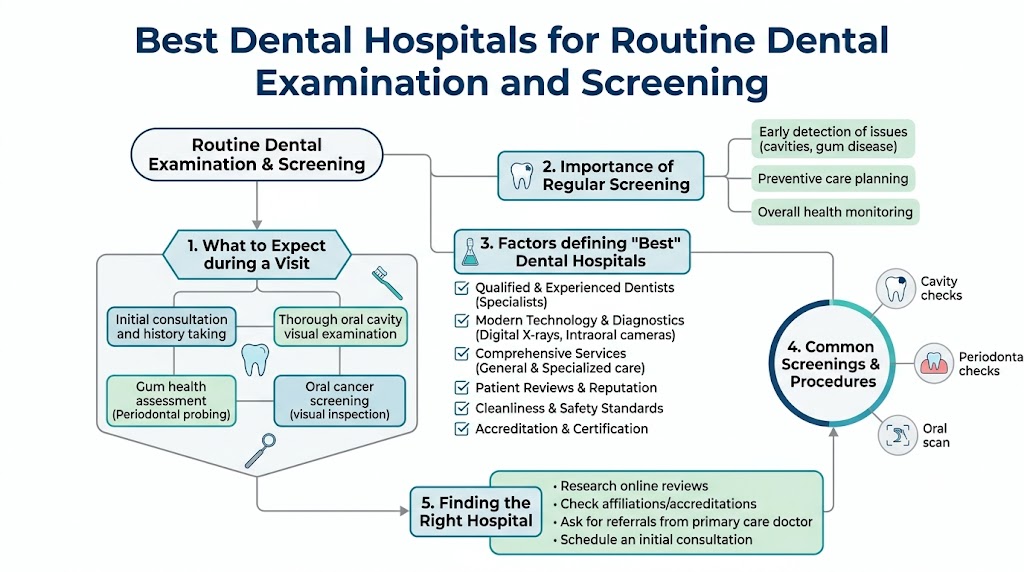
Maintaining optimal oral hygiene is an essential component of protecting overall systemic health. While many individuals view dental visits as reactive measures reserved for sudden toothaches or structural emergencies, the core of exceptional dentistry relies on proactive, preventive care. This comprehensive guide simplifies the process of exploring diagnostic packages, understanding standard screenings, and comparing top-tier clinical institutions. To look through organized directories of accredited dental centers and access reliable clinical insights, visit BESTDENTALHOSPITALS to connect with leading oral health experts.
Understanding Dental Checkup Packages
Dental checkup packages are structured bundles of diagnostic, preventive, and clinical screening services designed to evaluate the complete health of your mouth, teeth, gums, and surrounding bone structures. Rather than charging for single, separate treatments, hospitals combine these baseline services into transparent packages to encourage patients to participate in regular checkups.
+-----------------------------------------------------------------+
|               STAGES OF A PREVENTIVE EXAMINATION                |
+-----------------------------------------------------------------+
|  [Visual Triage]  -->  [Digital Imaging]  -->  [Hygiene Clean] |
|   Soft Tissue Exam       Hidden Pathology       Plaque Removal  |
+-----------------------------------------------------------------+
Routine examinations play a key role in identifying the early markers of conditions that might otherwise pass unnoticed during daily brushing and flossing. A standard home care routine cannot clean hardened calculus (tartar) deposits from below the gum line or spot structural concerns developing beneath the surfaces of old fillings.
This is where preventive dentistry bridges the gap. By tracking your personal oral health over time, dental teams can observe subtle changes in your gum tissue, enamel density, and jaw structure. This continuous monitoring allows providers to give tailored home-care advice, recommend timely preventive steps, and help you avoid unnecessary long-term complications.
Why Regular Dental Checkups Are Important
Participating in consistent dental screenings provides deep, ongoing benefits that extend far beyond simply cleaning your teeth.
- Early Cavity Detection: Pinpoint accurate screening reveals minor demineralization spots before they cross the protective enamel border, allowing for simple treatments that preserve your natural tooth structure.
- Gum Disease Prevention: Tracking the depth of periodontal pockets catches the initial stages of inflammation (gingivitis) before it advances into deep bone-eroding tissue damage (periodontitis).
- Oral Cancer Screening: A thorough checkup includes looking at all soft tissues inside the mouth, which helps identify unusual cellular changes early when treatment is most effective.
- Better Long-Term Oral Health: Consistent monitoring keeps your natural teeth stable, preserves past dental restorations, and helps protect your overall physical health.
Quick Comparison Table
| Hospital Name | Location | Checkup Services Included | Diagnostic Technology | Specialist Availability | Patient Support |
| Mayo Clinic | Rochester, MN | Visual Exam, 3D Imaging, Pro Cleaning | Cone Beam CT, Digital X-ray | Periodontists, Prosthodontists | 24/7 Portal, Nurse Line |
| Johns Hopkins | Baltimore, MD | Cancer Screening, Scaling, X-ray | Ultra-low Dose Digital Radiography | Oral Medicine Specialists | Care Coordinators |
| Cleveland Clinic | Cleveland, OH | Perio Tracking, Cleaning, Diagnostics | High-Res Intraoral Cameras | Oral & Maxillofacial Surgeons | Insurance Guidance |
| NYU Dentistry | New York, NY | Deep Screening, Scaling, Risk Profiling | Full Digital Panoramic Scanners | Academic Faculty Consultants | Multi-lingual Support |
| UTHealth Houston | Houston, TX | Hygiene Clean, Air-powder Polishing | CAD/CAM Digital Impression Tech | Pediatric & General Experts | Custom Follow-up Plans |
Hospitals Offering Dental Checkup Packages
Mayo Clinic (Division of Engineering and Dental Specialties)
Hospital Overview
The Mayo Clinic is trusted globally for its clinical precision and integrated approach to medical care. Its dental specialties division handles preventive and restorative oral health with the same high medical standards applied across all its surgical wards.
Preventive Dentistry Department
The department focuses on evidence-based preventive care, bringing together board-certified dental hygienists, general dentists, and periodontists to offer thorough systemic oral reviews.
Services Included in Packages
- Complete Clinical Extraoral and Intraoral Examination
- Full-mouth Scale and Polish Hygiene Session
- Low-radiation Digital Bitewing Radiographs
- Advanced Soft Tissue Oral Cancer Assessment
Diagnostic Technologies Used
Mayo Clinic uses modern Cone Beam Computed Tomography (CBCT) for detailed 3D bone mapping, along with high-definition digital panoramic X-ray systems that lower exposure levels.
Why Patients Choose This Hospital
Patients pick this facility because of its strong focus on complete physical health, ensuring that oral health findings are seamlessly coordinated with your overall medical records.
Major Strengths
- Advanced 3D structural imaging capabilities
- Direct communication lines between dental teams and systemic medical specialists
- Meticulous screening protocols for complex or medically compromised patients
Johns Hopkins Medicine (Division of Oral and Maxillofacial Surgery)
Hospital Overview
Based in Baltimore, Maryland, Johns Hopkins Medicine combines academic research with empathetic patient care, providing highly advanced preventive and diagnostic oral services.
Preventive Dentistry Department
The preventive department focuses on identifying oral markers of systemic illnesses, making it an excellent option for comprehensive health screenings.
Services Included in Packages
- Detailed Periodontal (Gum) Tissue Assessment
- Professional Teeth Cleaning and Tartar Scraping
- Intraoral Digital X-Ray Tracking
- Comprehensive Screening for Oral Lesions and Soft Tissue Changes
Diagnostic Technologies Used
The clinic employs ultra-low dose digital radiography systems and specialized optical fluorescence screening tools designed to spot abnormal soft tissue changes early.
Why Patients Choose This Hospital
Families trust Johns Hopkins for its detailed diagnostic processes, providing absolute clarity on both common dental issues and complex oral patholgies.
Major Strengths
- Pioneering tools for early soft-tissue screening
- Highly trained clinical staff who specialize in handling dental anxiety
- Robust diagnostic validation methods backed by academic research
Cleveland Clinic (Section of Dentistry and Oral Surgery)
Hospital Overview
The Cleveland Clinic is globally recognized for clinical innovation and a patient-first approach, offering top-tier preventive dentistry alongside its advanced medical programs.
Preventive Dentistry Department
The department manages oral health with a strong focus on prevention, utilizing personalized risk-profiling tools to help patients maintain a healthy smile long-term.
Services Included in Packages
- Routine General Enamel and Structural Assessment
- Ultrasonic Scaling and Stain Removal Treatment
- Digital Periapical and Panoramic Imaging Scans
- Customized Home Care Hygiene Education Plans
Diagnostic Technologies Used
Cleveland Clinic utilizes high-resolution digital intraoral cameras that display a real-time view of the teeth on a screen, allowing patients to see and understand their oral health directly.
Why Patients Choose This Hospital
Patients choose the Cleveland Clinic for its highly organized appointment tracks and transparent packaging, which clearly outlines all inclusions before care begins.
Major Strengths
- Real-time intraoral visual tracking tools
- Excellent post-checkup preventive education and guidance
- Streamlined scheduling that respects your time and minimizes wait times
NYU College of Dentistry (Faculty Practice Clinics)
Hospital Overview
As one of the largest dental education and care institutions in the United States, NYU Dentistry provides exceptional preventive care services managed by clinical faculty members.
Preventive Dentistry Department
The practice clinics utilize modern, evidence-based preventive models, serving a diverse global audience with high-quality oral health packages.
Services Included in Packages
- Comprehensive Plaque and Calculus Screening Index
- Full Professional Mechanical Tooth Polishing
- Complete Digital Arch Radiographic Mapping
- In-depth Salivary Flow and Enamel Acid Wear Assessment
Diagnostic Technologies Used
NYU Dentistry implements advanced laser-assisted caries detection aids (such as DIAGNOdent) that locate hidden decay inside structural grooves long before it appears on traditional X-rays.
Why Patients Choose This Hospital
Patients choose NYU Dentistry for its access to specialized sub-clinics, ensuring any issues caught during a routine checkup can be quickly reviewed by an expert.
Major Strengths
- Advanced laser-assisted tools for finding hidden enamel decay
- Comprehensive, research-backed packages for assessing cavities and enamel risk
- Vast network of clinical experts covering all dental specialties
UTHealth Houston (School of Dentistry Clinics)
Hospital Overview
Located in the world-renowned Texas Medical Center, UTHealth Houston’s clinical facilities deliver highly precise preventive oral care supported by modern technology.
Preventive Dentistry Department
The department prioritizes modern preventive models, helping individuals maintain solid long-term oral hygiene habits while reducing the need for invasive treatments.
Services Included in Packages
- Thorough Structural Tooth and Bite Examination
- Gentle Scaling with Air-Powder Polishing Tech
- Digital Bitewing Radiographic Series
- Guided Periodontal Pocket Charting and Health Index
Diagnostic Technologies Used
The clinics utilize CAD/CAM digital impression scanners that map the teeth in 3D without messy traditional molds, alongside advanced digital imaging software.
Why Patients Choose This Hospital
Patients look to UTHealth Houston for its educational focus, where clinicians explain every step of the checkup package in clear, patient-friendly terms.
Major Strengths
- 3D digital impression scanning for precise anatomical tracking
- Exceptional hygiene standards and clear, transparent package pricing
- Strong focus on gentle, comfortable preventive cleaning techniques
Common Services Included in Dental Checkup Packages
A properly balanced dental checkup package is designed to look at all aspects of oral health, using a step-by-step process to review hard and soft tissues alike.
+-----------------------------------------------------------------------+
|                 COMMON SERVICES & DIAGNOSTIC PURPOSE                  |
+-----------------------------------------------------------------------+
|  [Oral Examination] -------> Verifies Enamel & Restoration Wear      |
|  [Professional Clean] -----> Removes Hardened Calculus (Tartar)       |
|  [Digital X-Rays] ---------> Scans Bone Density & Root Integrity     |
|  [Gum Assessment] ---------> Measures Pocket Depth Around Tooth Bases |
+-----------------------------------------------------------------------+
Oral Examination
This foundational step involves a thorough visual evaluation of every tooth surface, past filling, crown, and implant. The dentist uses a tiny mirror and fine instruments to check for signs of softening enamel, structural fractures, or unusual wear patterns caused by teeth grinding.
Professional Cleaning
Even with excellent home care, plaque can harden over time into calculus (tartar), which cannot be removed by normal brushing. Dental hygienists use specialized ultrasonic tools and gentle instruments to clean away these deposits, followed by a professional polish to leave teeth smooth and clean.
Digital X-Rays
Digital X-rays allow dentists to see hidden areas that are invisible during a visual checkup. These images show decay developing between teeth, monitor bone density levels around roots, and locate hidden issues like deep cysts or impacted wisdom teeth.
Gum Health Evaluation
During a gum assessment, the provider uses a fine, rounded instrument to gently measure the small space between each tooth and the surrounding gum line (the periodontal pocket). Healthy gums have shallow pockets, while deeper spaces can indicate inflammation or early bone loss.
Oral Cancer Screening
This quick and completely painless screening involves checking the tongue, lips, floor of the mouth, cheeks, and throat for unusual white or red patches, lumps, or changes in tissue texture, helping identify potential issues as early as possible.
Treatment Recommendations
At the end of your checkup, your dentist will sit down with you to review all findings. They will explain any areas of concern using your digital scans and build a personalized plan that outlines any necessary care or adjustments to your daily routine.
Dental Screening Services Table
| Service Type | Primary Clinical Purpose | Direct Benefit to the Patient |
| Oral Examination | Visual tracking of enamel stability and alignment | Detects surface issues early before they cause physical pain |
| Professional Cleaning | Mechanical removal of hardened tartar deposits | Refreshes gum tissue and eliminates bacteria causing bad breath |
| Digital X-Rays | Provides detailed views beneath the visible gum line | Spots hidden structural concerns between teeth and inside bones |
| Gum Assessment | Measures pocket depth to evaluate periodontal health | Helps prevent bone recession and chronic gum disease |
| Oral Cancer Screening | Inspects all oral soft tissues for cellular variations | Delivers life-saving early detection for unusual tissue updates |
Benefits of Preventive Dental Care
Investing in structured preventive dental care offers long-term benefits that extend far beyond simply maintaining a bright smile.
“Regular dental checkup packages shift oral health care from an unpredictable emergency reaction to a manageable, preventive routine, protecting both your physical well-being and your peace of mind.”
Attending routine appointments makes managing your oral hygiene straightforward and effective. Regular cleanings remove stubborn bacteria and plaque, reducing the risk of developing painful cavities or chronic gum inflammation over time. This continuous care gives your provider the chance to spot small changes early, allowing for simple, conservative treatments rather than complex interventions.
Furthermore, keeping your teeth and gums healthy supports your overall physical health. Chronic gum inflammation has been linked in medical studies to systemic health concerns, including cardiovascular issues and blood sugar management challenges. Taking care of your mouth is an essential part of supporting your entire body’s health and vitality.
How to Choose the Right Dental Hospital
- Verify Dentist Experience: Look for facilities staffed by experienced general dentists and specialized specialists who maintain active board certifications.
- Check Available Diagnostic Tools: Choose a hospital that utilizes modern diagnostic tools, such as digital X-rays and intraoral cameras, which provide clearer, more accurate evaluations.
- Look for Package Transparency: Select institutions that outline all package inclusions and costs clearly upfront, with no hidden fees or surprise charges.
- Assess Hospital Hygiene Standards: Ensure the center follows strict, hospital-grade serialization protocols for all instruments, clean rooms, and patient areas.
- Evaluate Follow-Up Care Support: Confirm that the hospital provides clear aftercare advice and has an organized system for scheduling future routine cleanings.
Common Mistakes People Make
- Skipping Routine Checkups: Assuming that because you aren’t currently experiencing pain, your teeth and gums are completely healthy and don’t need a professional review.
- Visiting Dentists Only During Pain: Waiting for severe discomfort to develop before booking an appointment, which often means an issue has progressed to a point where it requires more complex care.
- Ignoring Changes in Gum Health: Dismissing minor bleeding during brushing as normal rather than recognizing it as an early sign of inflammation that needs attention.
- Delaying Professional Cleanings: Putting off regular cleanings and allowing tartar to build up below the gum line, which can increase the risk of long-term bone loss.
Real-Life Patient Scenarios
Scenario 1: Catching Silent Cavities Through Digital X-Rays
A patient who felt completely fine decided to book a comprehensive dental screening package for their annual checkup. While their teeth looked bright and healthy during the initial visual examination, their digital bitewing X-rays revealed small areas of decay developing hidden between two back molars.
Because the cavities were caught early before reaching the inner nerve tissue, the dentist was able to repair the enamel with a small, conservative filling. This simple step resolved the issue quickly and comfortably, helping the patient avoid the need for a root canal down the road.
Scenario 2: Managing Early Gum Shifts with Proactive Care
An individual noticed that their gums occasionally bled slightly when they used dental floss, but they didn’t experience any pain. They decided to address it by scheduling a preventive dental care package at an accredited center.
The dental hygienist performed a detailed periodontal assessment and noted a few deep spaces along the back teeth where tartar had built up. The team performed a gentle ultrasonic cleaning to remove the deep deposits and provided customized flossing tips for home care. Within two weeks, the bleeding stopped completely, showing how routine checkups can help reverse early inflammation and keep gums firm and healthy.
Future of Preventive Dentistry
The field of preventive dentistry is changing rapidly, combining advanced digital systems with clinical research to make routine oral screenings more precise and highly personalized.
+-----------------------------------------------------------------+
|                   FUTURE OF PREVENTIVE ORAL CARE                |
+-----------------------------------------------------------------+
|  [AI Analysis] ---------> Detects microscopic changes in enamel |
|  [Digital Health Files] -> Instantly maps long-term bone updates|
|  [3D Structural Scans] -> Replaces physical trays with 3D models|
|  [Tailored Care Plans] -> Custom hygiene based on individual risk|
+-----------------------------------------------------------------+
Artificial intelligence is becoming a helpful asset in dental imaging, supporting clinicians by analyzing digital X-rays with incredible detail. These advanced software systems can highlight tiny variations in enamel density and early bone loss that might be difficult to spot during a standard review. This technology helps ensure highly accurate assessments, allowing dental teams to create reliable, proactive care plans.
Digital health records are also improving how your oral health is tracked over time. Modern databases securely store your high-resolution images, gum charts, and risk profiles, making it simple for your dentist to compare past scans and monitor subtle changes instantly. This continuous view helps ensure your care remains consistent and perfectly matched to your needs.
Additionally, 3D imaging and intraoral scanning technologies are replacing traditional physical molds with clean, comfortable digital impressions. These systems create precise three-dimensional models of your teeth in seconds, helping providers monitor tooth wear patterns and bite alignment comfortably, ensuring your routine checkup is a seamless and informative experience.
FAQs (Frequently Asked Questions)
1.What is typically included in a standard dental checkup package?
A comprehensive package generally includes a full clinical examination, professional scaling and polishing, digital X-rays, a periodontal gum health check, and an oral cancer screening.
2.How often should I schedule a routine dental examination?
For most individuals, scheduling a professional checkup every six months is ideal for maintaining excellent oral hygiene and catching any emerging issues early.
3.Are digital dental X-rays safe for patients?
Yes, modern digital X-rays are exceptionally safe because they emit ultra-low levels of radiation and utilize highly sensitive sensors to capture clear images instantly.
4.Why is professional dental cleaning necessary if I brush my teeth daily?
Daily brushing removes soft plaque, but it cannot clear away hardened tartar deposits that build up over time below the gum line, which require specialized instruments to remove safely.
5.Can a routine checkup help prevent major dental complications?
Yes, regular screenings allow dentists to locate and treat issues like minor decay or early gum inflammation before they can develop into deep infections or tooth loss.
6.What happens during an oral cancer screening?
The dentist performs a gentle visual and physical assessment of your tongue, cheeks, throat, and lips to check for any unusual tissue textures, color variations, or lumps.
7.Who should undergo regular dental screening packages?
Everyone can benefit from regular examinations, from young children tracking dental development to older adults monitoring enamel stability and gum health.
8.Will a dental checkup package help address persistent bad breath?
Yes, a checkup can locate the underlying causes of bad breath, such as hidden cavities or tartar build-up, and resolve them through deep professional cleaning.
9.What is the primary difference between plaque and tartar?
Plaque is a soft, sticky film of bacteria that forms on teeth daily and can be brushed away, while tartar is plaque that has hardened over time and must be removed by a professional.
10.Are dental checkups safe to continue during pregnancy?
Yes, preventive dental checkups are safe and highly recommended during pregnancy, as natural hormone shifts can make gum tissue more sensitive to irritation.
11.What is a periodontal pocket assessment?
This is a gentle measurement of the tiny space between your teeth and gums, used to check your gum health and monitor for early signs of bone loss.
12.Can a dental checkup identify teeth grinding patterns?
Yes, dentists can easily spot specific flattening or wear facets on the chewing surfaces of your teeth, allowing them to recommend protective options like custom nightguards.
13.What should I do if my gums bleed slightly after a professional cleaning?
Minor tenderness or bleeding can happen if your gums were slightly inflamed before the clean, and it typically clears up within forty-eight hours with gentle home brushing.
14.Do dental checkup packages usually include tooth whitening options?
White polishing paste is often used to remove surface stains, but intensive professional teeth whitening is typically treated as a separate cosmetic service.
15.Where can I find a verified hospital offering transparent dental packages?
You can find reputable dental facilities through trusted healthcare listings, ask your primary doctor for a referral, or explore verified providers on specialized dental platforms.
Final Thoughts
Prioritizing regular dental checkup packages is one of the most effective ways to ensure a lifetime of healthy smiles and protect your overall well-being. By choosing comprehensive screenings, you shift your oral care from unexpected emergency fixes to a reliable, proactive routine. Recognizing early warning signs allows you to address potential teeth and gum concerns comfortably before they can impact your daily routine.With the guidance of experienced dentists and access to modern diagnostic tools, keeping your mouth healthy is a straightforward, manageable part of your wellness routine. Taking small steps to support your oral health today helps ensure you can enjoy a bright, comfortable smile for years to come. To review detailed directories of verified dental facilities, explore helpful oral health guides, and connect with reputable dental experts, utilize the clinical resources available at BESTDENTALHOSPITALS.